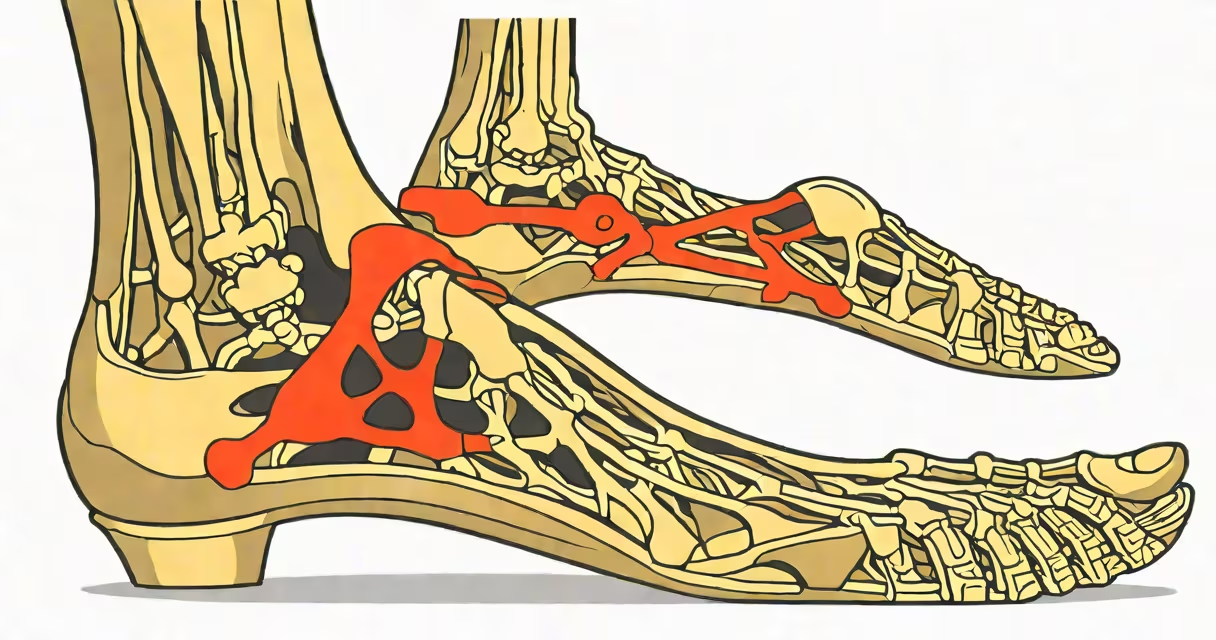
A heel impact injury occurs when excessive force damages the heel bone or surrounding tissues, typically from running, jumping, or sudden trauma. These injuries range from mild inflammation to severe fractures.
Most heel impact injuries result from repetitive stress or sudden trauma. Runners often develop them from pounding pavement, while athletes in sports like basketball or volleyball experience them from jumping. Even walking on hard surfaces can contribute over time.
The heel absorbs significant force during movement. When this force exceeds what the tissues can handle, microtears or inflammation occur. Without proper rest, these minor injuries worsen, leading to chronic conditions like plantar fasciitis or stress fractures.
| Type | Common Cause | Key Symptom |
|---|---|---|
| Plantar Fasciitis | Repetitive stress on the plantar fascia | Sharp pain near the heel's underside |
| Achilles Tendonitis | Overuse of the Achilles tendon | Pain along the back of the ankle |
| Stress Fracture | Repetitive impact without recovery | Localized pain that worsens with activity |
| Calcaneal Apophysitis (Sever's Disease) | Growth plate irritation in children | Pain in the heel's back |
Many people confuse heel impact injuries with general foot pain or assume they'll heal on their own. However, untreated injuries often become chronic. For example, plantar fasciitis can persist for months without proper treatment, while stress fractures may require immobilization.
Another mistake is attributing heel pain solely to aging. While wear and tear contribute, most cases stem from overuse or improper footwear. Wearing unsupportive shoes or suddenly increasing activity levels often triggers these injuries.
Mild cases improve with rest, ice, compression, and elevation (RICE method). Over-the-counter pain relievers like ibuprofen reduce inflammation. Severe cases may require medical intervention, such as orthotics, physical therapy, or surgery.
For stress fractures, doctors often recommend a walking boot or crutches to offload weight. Physical therapy helps restore strength and flexibility. Returning to activity too soon risks reinjury, so gradual progression is key.
I once treated a heel impact injury by switching to cushioned running shoes and reducing mileage. Adding calf stretches and foam rolling also helped. Recovery took six weeks, but the pain disappeared completely afterward.
Wear supportive footwear with good cushioning and arch support. Replace worn-out shoes regularly. Warm up before exercise and stretch afterward. Avoid sudden increases in activity intensity or duration.
Strengthening the feet and calves through exercises like toe curls and heel raises improves resilience. Maintaining a healthy weight reduces stress on the heels. Listen to your body-if you feel pain, rest before the injury worsens.