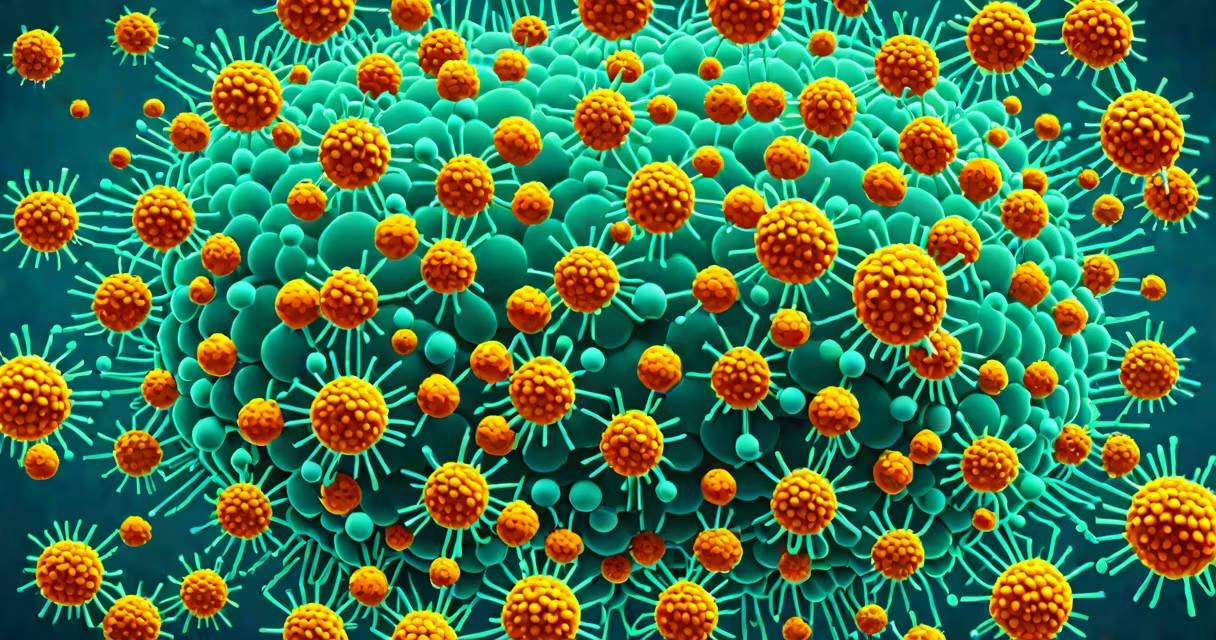
The herpes simplex virus type 1 (HSV-1) is a contagious virus that causes oral herpes, typically resulting in cold sores around the mouth. It's highly prevalent, with most people contracting it during childhood or early adulthood.
HSV-1 enters the body through mucous membranes or broken skin, often in the mouth or face. After the initial infection, the virus travels along nerve pathways to the trigeminal ganglion, where it remains dormant. Periodic reactivations trigger outbreaks, causing painful sores.
HSV-1 primarily causes oral herpes, but it can also lead to genital herpes if transmitted through oral-genital contact. Symptoms include:
Many confuse HSV-1 with herpes simplex virus type 2 (HSV-2), which primarily causes genital herpes. However, both viruses can cause infections in either location. Unlike HSV-2, HSV-1 is rarely sexually transmitted and is more commonly spread through non-sexual contact, such as kissing or sharing utensils.
There is no cure for HSV-1, but antiviral medications like acyclovir, valacyclovir, and famciclovir can reduce outbreak severity and frequency. These drugs work by preventing the virus from replicating, shortening healing time and easing symptoms. Over-the-counter pain relievers and topical creams can also provide relief during outbreaks.
Preventive measures include avoiding close contact during outbreaks, practicing good hygiene, and using separate utensils and towels. While condoms can reduce transmission risk during sexual activity, they don't eliminate it entirely since the virus can spread through skin-to-skin contact.
I once had a friend who frequently experienced cold sores during stressful periods. After consulting a doctor, she started taking antiviral medication prophylactically, which reduced the frequency and severity of her outbreaks. This highlights how stress management and medical intervention can help control HSV-1 symptoms.
Understanding HSV-1's behavior and transmission methods is important for managing the virus effectively. While it can be uncomfortable and inconvenient, proper care and awareness can minimize its impact on daily life.