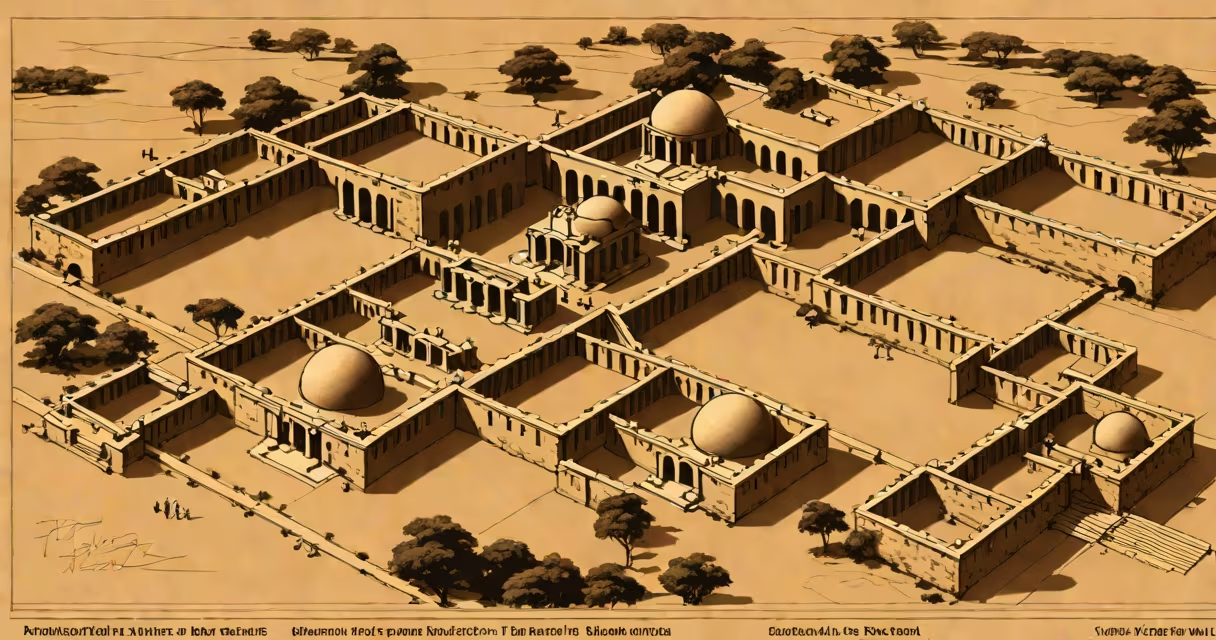
Uganda's historical sites are physical remnants of the country's past, including structures, artifacts, and landscapes from pre-colonial, colonial, and post-independence eras. These sites offer insights into Uganda's diverse cultures, traditions, and historical events.
These sites serve as tangible links to Uganda's history. They include tombs, palaces, battlefields, and archaeological sites. For example, the Kasubi Tombs in Kampala are a UNESCO World Heritage Site and the burial ground for four Kabakas (Kings of Buganda). The site showcases traditional architecture, using natural materials like thatch and wood.
| Type | Example | Significance |
|---|---|---|
| Tombs | Kasubi Tombs | Burial site for Buganda kings |
| Palaces | Budama Palace | Former residence of the Omukama of Bunyoro |
| Battlefields | Mengo Hill | Site of battles during colonial resistance |
| Archaeological Sites | Ntusi | Ancient settlement with stone ruins |
Historical sites in Uganda are important for understanding the country's cultural heritage. They attract tourists, contributing to Uganda's economy. For instance, the Bigo Byamugisha Earthworks, a series of trenches and walls, are believed to have been constructed by the Bachwezi dynasty. These sites are often misidentified as mere mounds or natural formations, but they are actually sophisticated defensive structures.
Many people assume that historical sites in Uganda are only related to the Buganda kingdom. However, sites like the Budama Palace in Hoima represent the rich history of other kingdoms, such as Bunyoro. This palace, built in the early 20th century, was the residence of the Omukama (king) of Bunyoro and showcases the architectural style of the region.
During a visit to the Kasubi Tombs, I observed the complex construction of the main mound, known as Muzibu Azaala Wetaalo. The thatched roof and wooden structures are proof of the craftsmanship of the Baganda people. The site is not just a burial ground but also a place of cultural significance, where traditional ceremonies are still performed.
Historical sites in Uganda are important for preserving the country's rich cultural heritage. From the Kasubi Tombs to the Budama Palace, these sites offer a glimpse into Uganda's past and contribute to its tourism industry. Understanding and appreciating these landmarks helps in fostering a deeper connection to Uganda's history and culture.