Solving climate change requires a mix of systemic changes, technological innovations, and individual actions to reduce greenhouse gas emissions and adapt to unavoidable impacts. The Intergovernmental Panel on Climate Change (IPCC) reports that global temperatures have risen by 1.1°C since pre-industrial times, primarily due to human activities.
Addressing climate change involves multiple approaches, including transitioning to renewable energy, improving energy efficiency, and changing land use practices. The International Energy Agency (IEA) estimates that renewable energy could supply nearly half of global electricity by 2050 under ambitious policies.
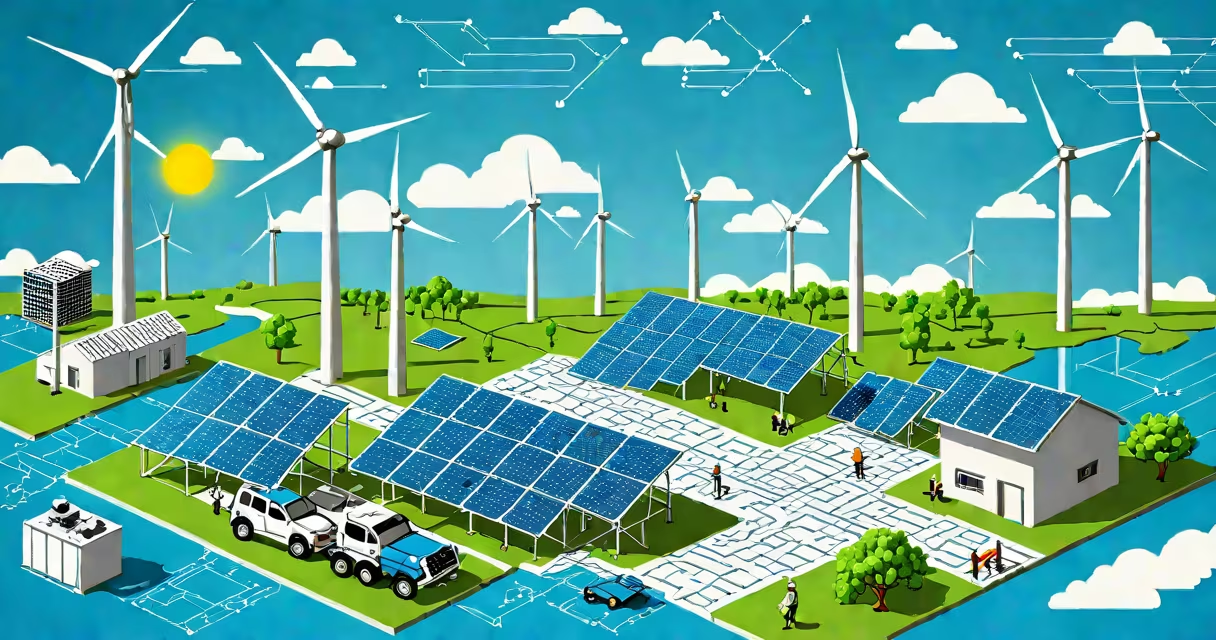
Renewable energy sources like solar, wind, and hydro power generate electricity with minimal greenhouse gas emissions. For example, the cost of solar photovoltaic (PV) modules has dropped by 89% since 2010, making solar power increasingly accessible. Countries like Denmark and Germany have integrated wind energy into their grids, reducing reliance on fossil fuels.
Improving energy efficiency in buildings, transportation, and industry can cut emissions. The U.S. Department of Energy notes that energy-efficient buildings use 30% less energy than conventional buildings. Electric vehicles (EVs) also play a role, with global EV sales reaching 6.6 million in 2021, according to the IEA.
Reforestation, afforestation, and sustainable agriculture can improve carbon sequestration. The World Resources Institute highlights that restoring degraded lands could remove up to 25 billion tons of CO2 annually. Reducing deforestation, particularly in tropical regions, is critical, as forests absorb about 2.6 billion tons of CO2 per year.
Many people believe that individual actions alone can solve climate change. While personal choices matter, systemic changes are essential. For instance, even if everyone recycled perfectly, industrial emissions would still dominate global greenhouse gas output. Effective solutions require government policies, corporate responsibility, and global cooperation.
Another misconception is that renewable energy is too expensive. However, the cost of solar and wind energy has dropped dramatically. Solar power is now cheaper than coal in many parts of the world, according to the IEA.
Copenhagen aims to become the world's first carbon-neutral capital by 2025. The city has invested in cycling infrastructure, district heating, and wind energy. As a result, Copenhagen has reduced its CO2 emissions by 56% since 1990 while improving air quality and public health.