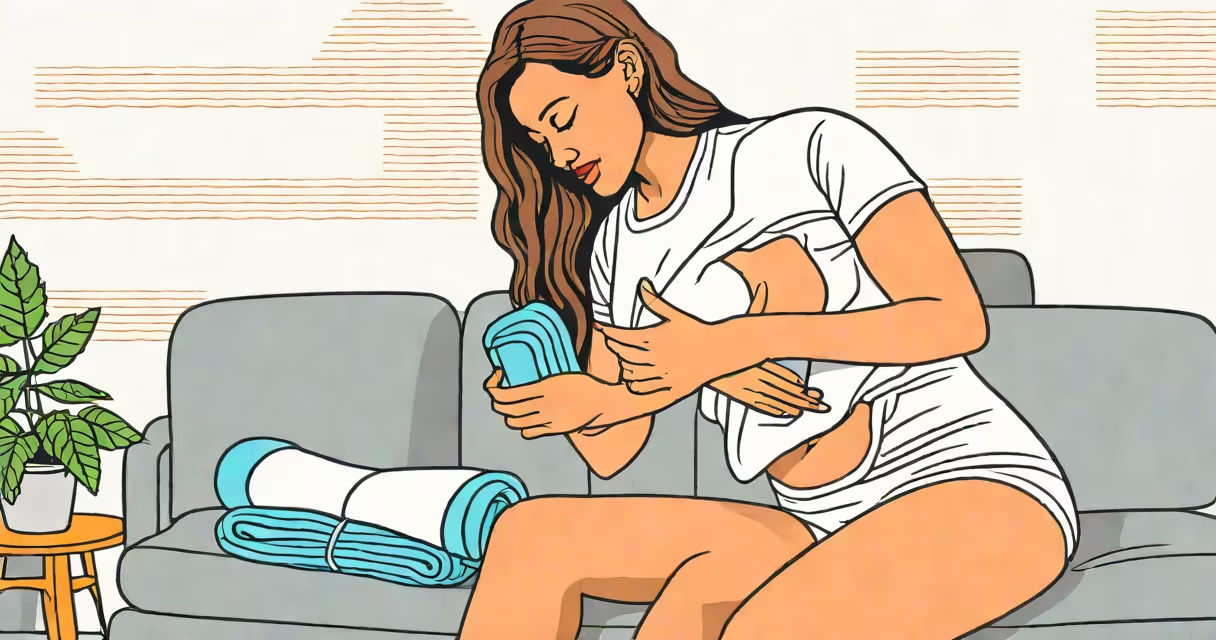
Menstrual cramps occur when the uterus contracts to shed its lining. These contractions reduce blood flow to the uterus, causing pain. Effective relief combines immediate remedies and long-term prevention.
Cramps happen because of prostaglandins, hormone-like compounds that trigger uterine muscle contractions. These contractions temporarily cut off oxygen to the uterine tissue, resulting in pain. The severity varies based on individual physiology and hormonal balance.
Primary dysmenorrhea is the most common type, affecting women during their reproductive years. Secondary dysmenorrhea results from underlying conditions like endometriosis or fibroids. Stress and diet can worsen symptoms.
Over-the-counter pain relievers like ibuprofen or naproxen sodium reduce inflammation and block prostaglandins. Applying heat through a heating pad or hot water bottle relaxes uterine muscles. Gentle exercise, such as walking or yoga, increases blood flow and reduces pain.
Anti-inflammatory foods like ginger, turmeric, and dark leafy greens help manage cramp-related inflammation. Hydration prevents bloating and supports health. Magnesium-rich foods like nuts, seeds, and whole grains may ease muscle tension.
I once tried a combination of ibuprofen, a heating pad, and a light walk during my worst cramping. The pain reduced within 30 minutes, allowing me to continue my day.
Regular exercise, particularly low-impact activities like swimming or cycling, helps maintain hormonal balance. A balanced diet rich in fruits, vegetables, and whole grains supports health. Hormonal birth control methods like the pill, patch, or IUD regulate menstrual cycles and reduce cramp severity.
Stress management techniques such as meditation, deep breathing, or yoga promote relaxation and reduce cramp-related anxiety. Adequate sleep supports the body's natural healing processes.
Many people believe that caffeine helps with cramps, but it can actually worsen symptoms by increasing tension and dehydration. Others think lying down is the best option, but gentle movement often provides better relief. Some assume that severe cramps are normal, but persistent pain should be evaluated by a healthcare provider.
According to the Mayo Clinic, severe cramps that interfere with daily activities may indicate an underlying condition like endometriosis or fibroids. Consulting a healthcare professional ensures proper diagnosis and treatment.
If cramps are accompanied by heavy bleeding, nausea, or diarrhea, they may require medical attention. Severe pain that doesn't improve with standard treatments warrants a visit to a healthcare provider. Persistent or worsening cramps could indicate an underlying issue needing evaluation.