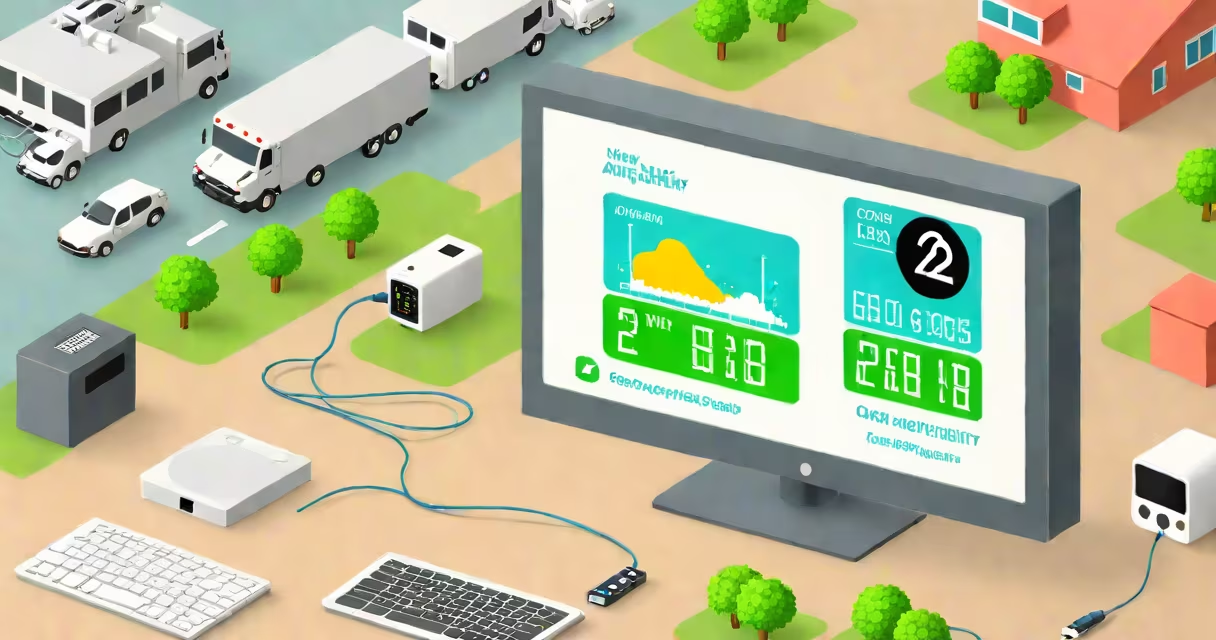
Measuring air quality involves assessing concentrations of pollutants like particulate matter (PM), ozone (O₃), nitrogen dioxide (NO₂), sulfur dioxide (SO₂), and carbon monoxide (CO) using sensors, monitors, or test kits. These devices detect contaminants in indoor or outdoor environments to evaluate health risks.
Air quality measurement relies on sensors that detect specific pollutants. Most devices use electrochemical sensors for gases like CO and NO₂, while optical sensors measure particulate matter by tracking light scattering. Some advanced monitors combine multiple sensors to provide complete readings.
| Type | Key Features | Best For |
|---|---|---|
| Portable Monitors | Handheld, battery-powered, measures PM2.5, PM10, VOCs | Indoor air quality testing in homes and offices |
| Stationary Monitors | Wall-mounted, continuous monitoring, Wi-Fi enabled | Long-term air quality tracking in homes or small businesses |
| Professional-Grade Monitors | High-precision, multi-pollutant detection, calibration required | Industrial sites, research labs, regulatory agencies |
Air quality measurements are taken in homes, workplaces, schools, and industrial areas to assess exposure risks. The EPA recommends monitoring indoor air quality due to higher pollutant concentrations from cooking, cleaning products, and building materials. Outdoor monitoring helps track urban pollution, wildfire smoke, and emissions from factories or vehicles.
I tested a low-cost air quality monitor in my home office and found elevated CO₂ levels due to poor ventilation. After adjusting airflow and using an air purifier, readings improved, demonstrating how simple changes can improve air quality.
Select a monitor based on your environment and specific needs. For homes, look for devices measuring PM2.5, VOCs, and CO₂. Industrial settings may require monitors detecting SO₂, NO₂, and ozone. Always check sensor accuracy, calibration requirements, and data reporting features before purchasing.
The EPA's Air Quality Index (AQI) provides a scale, categorizing air quality as good (0-50), moderate (51-100), unhealthy (101-150), very unhealthy (151-200), or hazardous (201-300). Monitors should align with this scale for consistent interpretation.