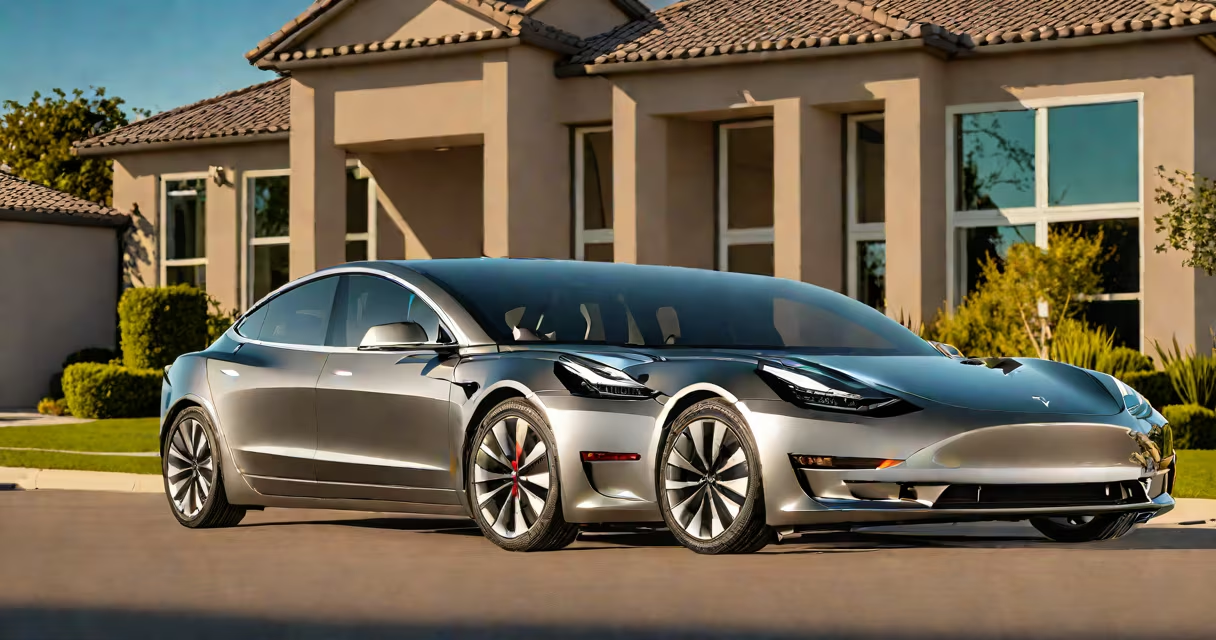
A Tesla's worth is its current market value based on model, year, mileage, condition, and demand. Tesla values fluctuate due to software updates, battery health, and market trends.
Tesla's value differs from traditional cars because of its advanced technology and software. Key factors include:
Each Tesla model has distinct value trends. Here's a quick breakdown:
| Model | Average Depreciation (First 3 Years) | Key Value Factor |
|---|---|---|
| Model S | 25-30% | Performance upgrades and luxury features |
| Model 3 | 20-25% | Affordability and high demand |
| Model X | 30-35% | Utility and family-friendly design |
| Model Y | 22-28% | Balanced price and functionality |
Tesla values change based on location, market conditions, and economic factors. For example, a Tesla in California may retain more value due to higher EV adoption rates. Economic downturns can lower demand, while software improvements can increase value.
Many assume Teslas lose value quickly like gas cars. However, Teslas often retain higher resale values due to lower maintenance costs and strong brand loyalty. Another myth is that battery degradation makes Teslas worthless-while it impacts value, it doesn't make them unsellable.
When I checked the value of a 2020 Model 3 with 30,000 miles, the estimate ranged from $38,000 to $42,000 depending on the tool. Always compare multiple sources for the most accurate range.