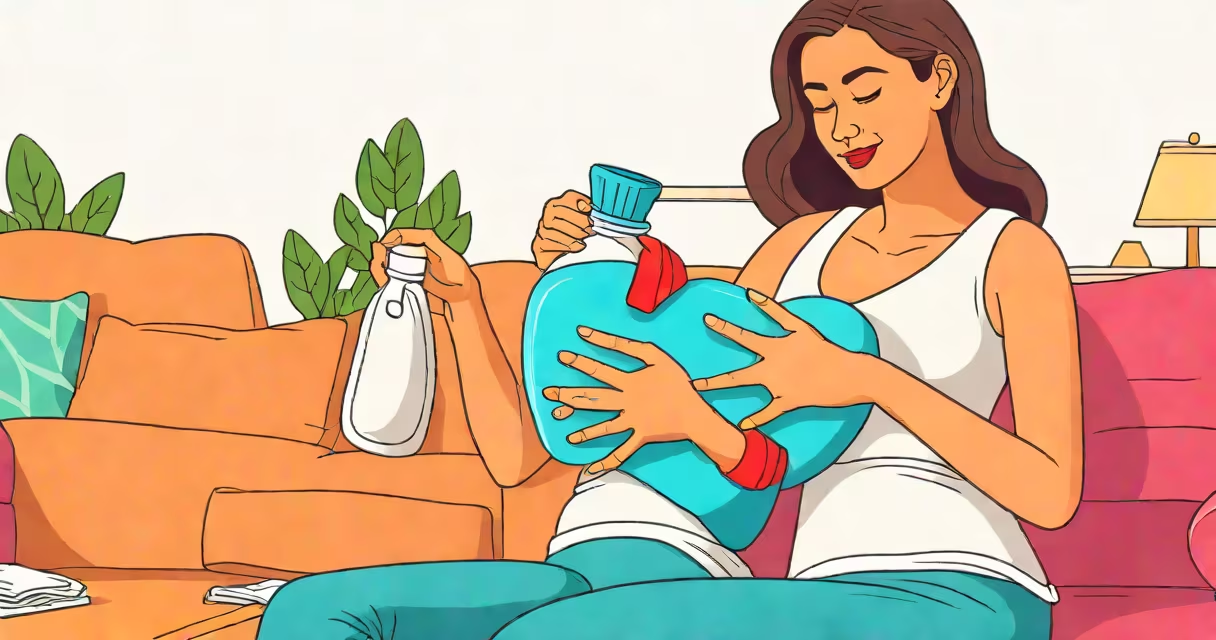
Stomach pain during periods happens due to uterine contractions and hormonal changes. To prevent it, combine heat therapy, anti-inflammatory foods, and gentle movement.
During menstruation, your uterus contracts to shed its lining. These contractions reduce blood flow to the area, triggering pain receptors. Prostaglandins, hormone-like compounds released during your period, also cause inflammation and muscle contractions, worsening the discomfort.
Most women experience some level of cramping, but severe pain may indicate conditions like endometriosis or fibroids. If your pain is debilitating or accompanied by heavy bleeding, consult a healthcare provider.
For quick relief, apply heat to your lower abdomen. A heating pad, hot water bottle, or warm bath can relax uterine muscles and reduce pain. Over-the-counter pain relievers like ibuprofen or naproxen can also help by reducing prostaglandin production.
Stay hydrated and avoid caffeine, which can worsen cramps. Light exercise, such as walking or yoga, can improve circulation and ease discomfort. Try gentle stretches like child's pose or cat-cow to relieve tension.
Regular exercise, particularly low-impact activities like swimming or cycling, can reduce menstrual pain over time. A diet rich in anti-inflammatory foods, such as leafy greens, nuts, and fatty fish, may also help. Magnesium-rich foods like bananas, spinach, and dark chocolate can ease muscle cramps.
Some women find relief with herbal remedies like ginger tea or chamomile, which have anti-inflammatory properties. Others benefit from supplements like omega-3 fatty acids or vitamin B1, but always check with a doctor before trying new supplements.
If your period pain is severe enough to interfere with daily life, or if it suddenly becomes worse, seek medical advice. Conditions like endometriosis, pelvic inflammatory disease, or uterine fibroids can cause intense pain and require treatment.
Your doctor may recommend hormonal birth control, which regulates menstrual cycles and reduces prostaglandin production. Other treatments include physical therapy, acupuncture, or surgery in severe cases.
Many people assume that period pain is normal and unavoidable. While mild cramping is common, severe pain is not. Another myth is that lying down and resting is the best solution. In reality, light movement often provides better relief than staying still.
Some believe that eating certain foods, like dairy or salty snacks, can worsen cramps. While individual sensitivities vary, research suggests that reducing processed foods and increasing anti-inflammatory options is more effective.
I've found that combining heat therapy with gentle movement works best for me. On my worst days, a heating pad and a short walk make a noticeable difference. Everyone's body responds differently, so experiment to find what works for you.