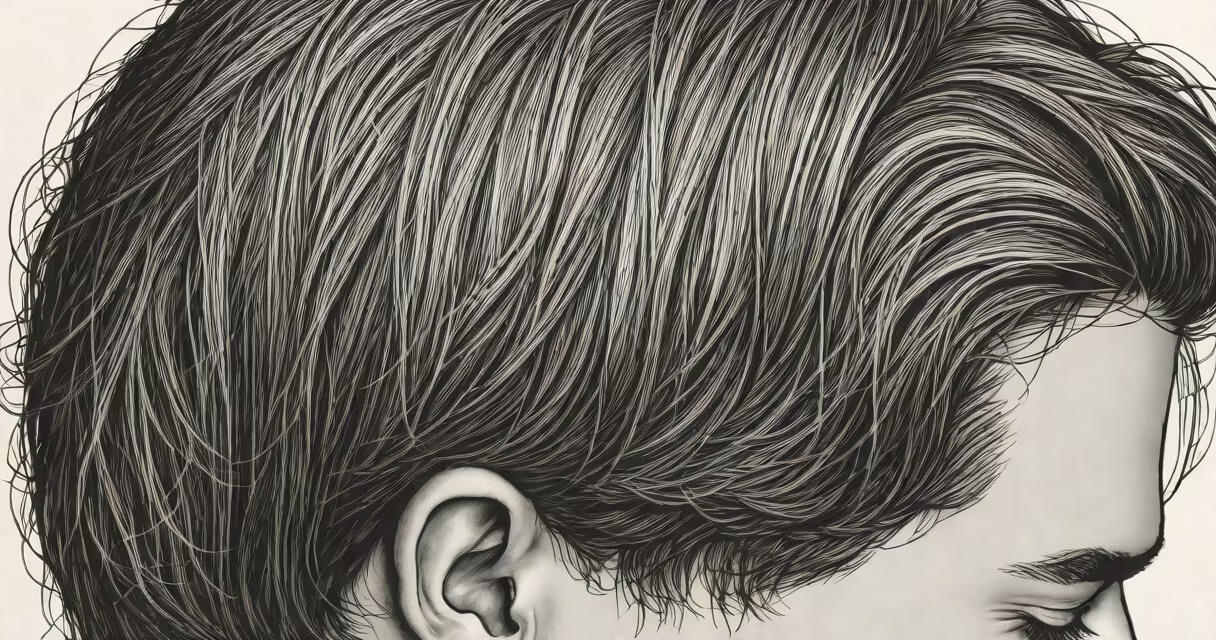
Genetic hair loss, or androgenetic alopecia, occurs when hormones shrink hair follicles, causing thinning and eventual baldness. This progressive condition affects about 50% of men over 50 and 60% of women by age 60. While genetics play a key role, lifestyle factors and treatments can slow or even stop progression.
Androgenetic alopecia results from a combination of genetic sensitivity to dihydrotestosterone (DHT) and aging. DHT, a derivative of testosterone, binds to receptors in hair follicles, shrinking them over time. This process shortens the hair growth cycle (anagen phase) and lengthens the resting phase (telogen phase), producing thinner, weaker hairs until they stop growing entirely.
| Type | Pattern | Common Age of Onset |
|---|---|---|
| Male Pattern Baldness | Receding hairline, thinning crown | Late teens to early 20s |
| Female Pattern Hair Loss | Diffuse thinning over the top of the scalp | 40s or later |
Preventing genetic hair loss requires addressing DHT sensitivity, improving scalp health, and maintaining well-being. The most effective methods include:
I've seen firsthand how lifestyle changes can impact hair health. A friend who adopted a balanced diet rich in proteins and vitamins noticed slower hair loss within six months. Combining this with a DHT-blocking medication helped him regain some density in thinning areas.
Many people believe genetic hair loss is inevitable and untreatable. However, research shows that early intervention can preserve existing hair and even regrow some lost hair. Another myth is that only men experience genetic hair loss, but women are equally affected, though their patterns differ.
Consult a healthcare provider if you notice sudden hair loss, patchy bald spots, or severe scalp itching. These symptoms may indicate an underlying condition requiring medical attention. A dermatologist can diagnose the cause and recommend appropriate treatments, including prescription medications or procedures like hair transplants.