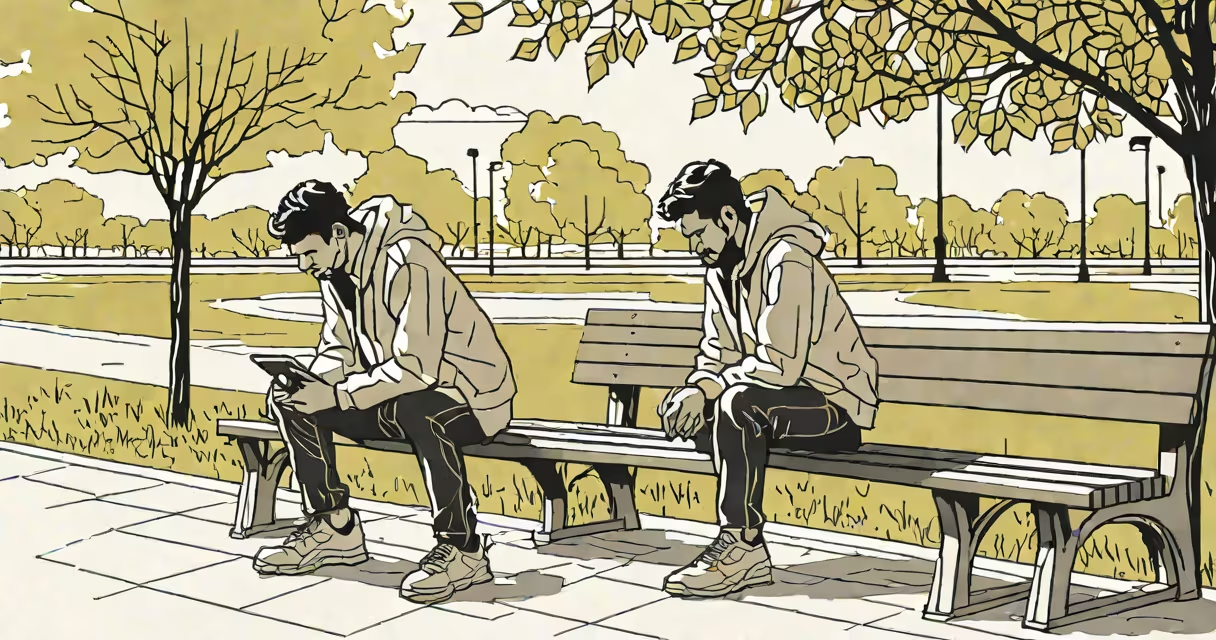
Healing after a breakup involves intentional self-care, emotional processing, and gradual reintegration into social life. It's normal to feel grief, anger, or confusion, but structured steps can help you regain stability.
Recovery follows stages similar to grief: shock, denial, sadness, and acceptance. The goal isn't to erase pain but to process it healthily. Research from the Journal of Positive Psychology shows that active coping strategies-like journaling or exercise-reduce emotional distress faster than passive avoidance.
Strategies fall into three categories:
Many assume breakup recovery follows a linear timeline. In reality, setbacks are normal. Another myth is that staying busy distracts from pain-while distraction helps short-term, long-term healing requires facing emotions.
I once helped a friend through a breakup by suggesting they volunteer at an animal shelter. The routine and purpose shifted their focus outward, accelerating their recovery. Small, consistent actions often work better than grand gestures.
Sarah, 32, ended a five-year relationship. She started by deleting her ex's contact info and blocking them on social media. Next, she joined a weekly book club and signed up for a cooking class. By month three, she reconnected with old friends and even went on a solo weekend trip. Her structured approach mirrored the phased recovery model.
Being okay after a breakup requires patience and proactive steps. Prioritize emotional honesty, self-care, and gradual social re-entry. While the process is deeply personal, research-backed strategies provide a roadmap.