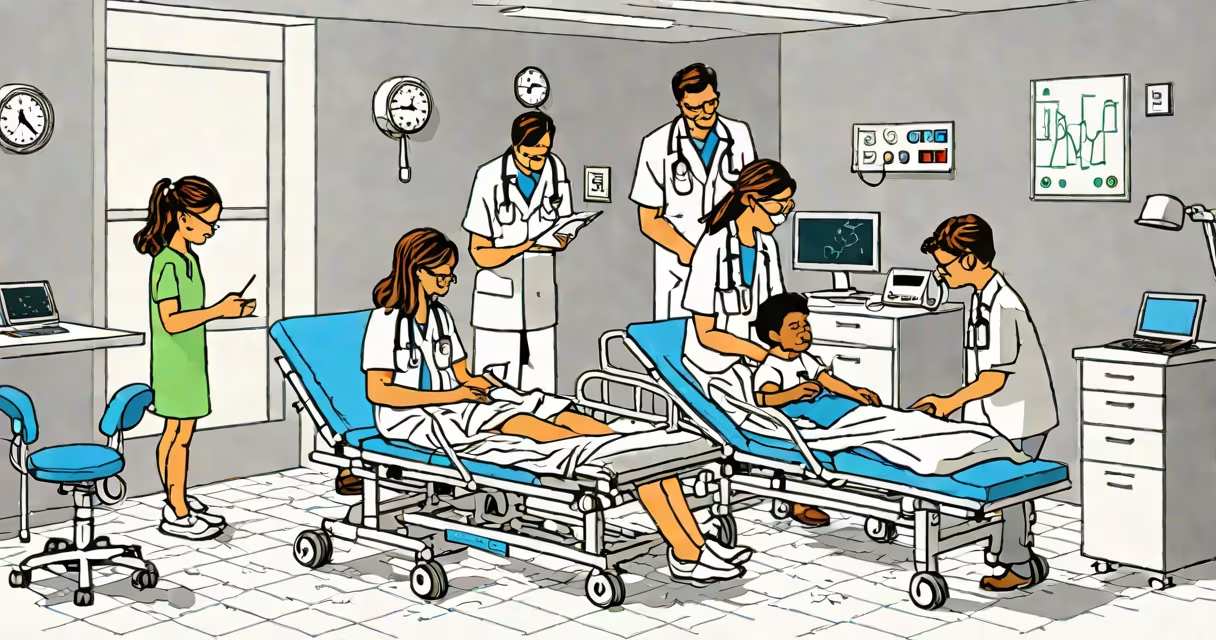
A child life specialist is a healthcare professional who supports the emotional, developmental, and social needs of children in medical settings. They work in hospitals, clinics, and other healthcare environments to help young patients cope with illness, injury, and treatment.
Child life specialists use play, education, and therapeutic activities to help children understand and cope with their medical experiences. They also support families, providing resources and guidance to help them go through the healthcare system. Their work is important in reducing stress and anxiety for both children and their families during difficult times.
| Type | Work Setting | Key Focus |
|---|---|---|
| Pediatric Hospitals | General Hospitals | Supporting children undergoing various medical treatments |
| Specialty Clinics | Cancer Centers | Helping children with chronic illnesses like cancer |
| Rehabilitation Centers | Mental Health Facilities | Assisting children with physical and emotional rehabilitation |
Most child life specialists hold a bachelor's degree in child life, child development, psychology, or a related field. Some programs offer specialized coursework in child life, including classes on child development, family systems, and medical terminology.
To become a certified child life specialist (CCLS), you must pass the Child Life Professional Certification Exam administered by the Association of Child Life Professionals (ACLP). The exam covers topics such as child development, family systems, and medical play.
Gaining practical experience through internships or volunteer work in healthcare settings is essential. Many programs require a minimum of 480 hours of supervised internship experience to qualify for certification.
Many people confuse child life specialists with child psychologists or social workers. While these professions share some similarities, child life specialists focus specifically on the emotional and developmental needs of children in medical settings, rather than diagnosing or treating mental health conditions.
During my internship at a local children's hospital, I witnessed firsthand the impact of a child life specialist. I saw how they used play therapy to help a young patient understand an upcoming surgery. The child's anxiety decreased, and the family was grateful for the support and guidance provided.
Becoming a child life specialist is a rewarding career path for those passionate about supporting children and families in healthcare settings. By completing the necessary education, gaining practical experience, and obtaining certification, you can make a significant difference in the lives of young patients and their families.