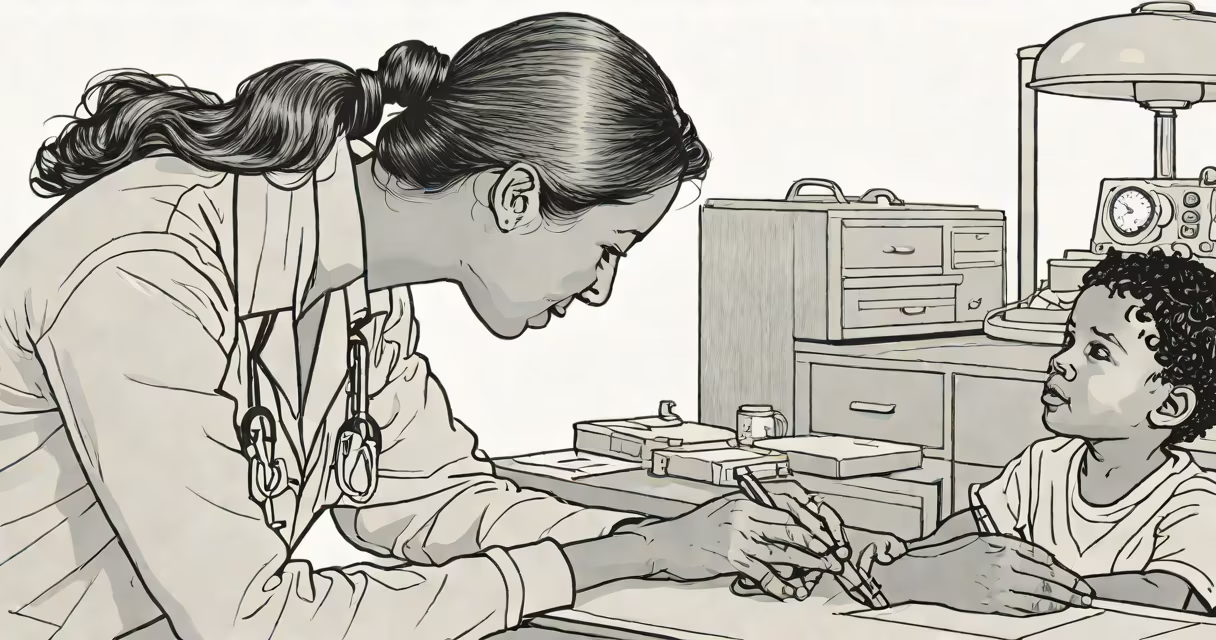
A pediatric physician assistant (PA) is a medical professional who practices medicine under the supervision of a licensed physician, specializing in the care of infants, children, and adolescents. To become one, you'll complete a bachelor's degree, gain healthcare experience, attend an accredited PA program, pass the national certification exam, and obtain state licensure.
Most PA programs require applicants to have a bachelor's degree, though the major doesn't have to be science-related. Common undergraduate majors for aspiring PAs include biology, chemistry, or health sciences. During my time as a pre-PA advisor, I noticed students with diverse backgrounds-even those with degrees in psychology or sociology-often succeeded in PA school by completing the necessary prerequisite courses.
Prerequisite coursework typically includes anatomy, physiology, microbiology, chemistry, and statistics. Some programs also require or recommend courses in biology, genetics, and medical terminology. The Graduate Education for Physician Assistants report from the American Academy of Physician Assistants (AAPA) notes that most programs require at least one course in each of these subjects.
Before applying to PA school, you'll need hands-on healthcare experience. This often involves working as a certified nursing assistant (CNA), emergency medical technician (EMT), or in other direct patient care roles. The average PA school applicant has around 3,000 hours of healthcare experience, according to the Physician Assistant Education Association (PAEA).
PA programs typically last two to three years and include both classroom instruction and clinical rotations. Coursework covers topics like pharmacology, pathology, clinical medicine, and pediatrics. Clinical rotations provide hands-on experience in various medical settings, including pediatrics.
To specialize in pediatrics, look for programs offering pediatric-specific rotations or electives. For example, the University of Colorado's PA program includes a dedicated pediatric rotation, while the University of Washington's program offers a pediatric elective.
After graduating from an accredited PA program, you must pass the Physician Assistant National Certifying Exam (PANCE) to become certified. Once certified, you can apply for state licensure, which allows you to practice as a PA. Most states require PAs to maintain their certification through continuing medical education (CME) and periodic exams.
While PA programs provide broad medical training, specializing in pediatrics often happens on the job. Many PAs start in general practice and later transition to pediatric roles. Others complete pediatric-specific fellowships or additional training to improve their skills.
Pediatric PAs work in various settings, including hospitals, private practices, clinics, and schools. They may collaborate with pediatricians, family physicians, or other specialists to provide complete care. According to the AAPA, about 6% of PAs specialize in pediatrics, making it a growing and rewarding field.
Some pediatric PAs choose to work in subspecialty areas, such as neonatology, cardiology, or oncology. These roles often require additional training or experience. For instance, a PA working in a pediatric cardiology clinic would need to understand congenital heart defects and related treatments.
One common misconception is that PAs perform the same tasks as physicians. While PAs have extensive medical training, they practice under physician supervision. Another misunderstanding is that PAs cannot specialize in specific areas like pediatrics. In reality, many PAs develop expertise in particular fields through experience and additional certifications.
Some people confuse PAs with radiologist assistants, who specialize in diagnostic imaging. While both roles involve supporting physicians, their scopes of practice differ.
The median annual salary for PAs was $121,530 in May 2021, according to the U.S. Bureau of Labor Statistics (BLS). The BLS projects employment for PAs to grow 31%, much faster than the average for all occupations. This growth is driven by increased demand for healthcare services and the need to expand access to care.
Becoming a pediatric physician assistant requires dedication, education, and hands-on experience. By completing the necessary steps-earning a bachelor's degree, gaining healthcare experience, attending PA school, passing certification exams, and obtaining state licensure-you can enter this rewarding specialty. Whether you work in a general pediatric practice or a specialized setting, your role as a pediatric PA will make a meaningful difference in the lives of young patients.