Breaking a fast means ending your fasting period by consuming food or drink with calories. To do it safely and effectively, choose easily digestible foods, avoid overeating, and time your meal right. Intermittent fasters often break their fast with small portions of nutrient-dense foods.
When you fast, your body switches from using glucose for energy to burning fat. Breaking your fast too quickly or with the wrong foods can cause discomfort, blood sugar spikes, or even negate fasting benefits. The goal is to ease your digestive system back into processing food while replenishing nutrients.
Not all foods are equal when breaking a fast. Prioritize these options:
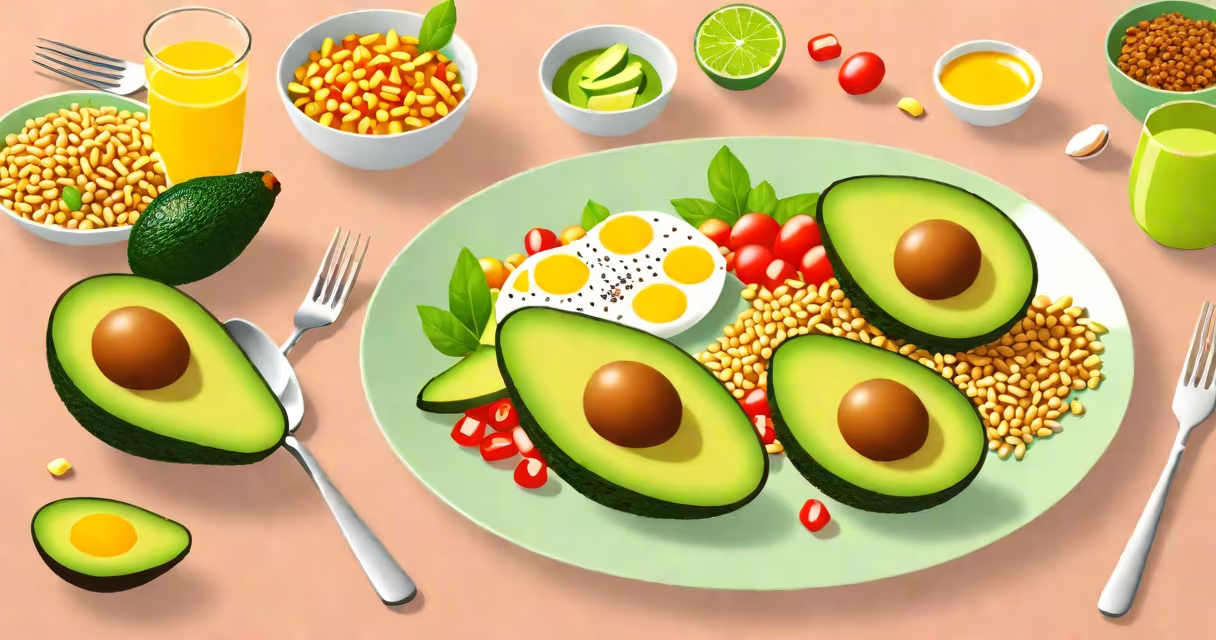
For example, a post-fast meal might include scrambled eggs with avocado on whole-grain toast. This combination provides protein, healthy fats, and complex carbohydrates to support gradual digestion and nutrient absorption.
Many people make these errors when ending their fast:
The best time to break your fast depends on your schedule and goals. Most people choose to eat when they feel hungry or when it fits their daily routine. For example, someone practicing the 16:8 method might break their fast at noon if they stopped eating at 8 PM the night before.
People end their fasts for various reasons, including:
Some mistakenly believe that breaking a fast with a large meal maximizes benefits. However, this often leads to discomfort and negates the metabolic advantages of fasting. Instead, start with smaller, nutrient-dense meals to ease back into eating.
For instance, if you fasted overnight and wake up hungry, a light breakfast like Greek yogurt with berries can provide essential nutrients without overwhelming your digestive system.