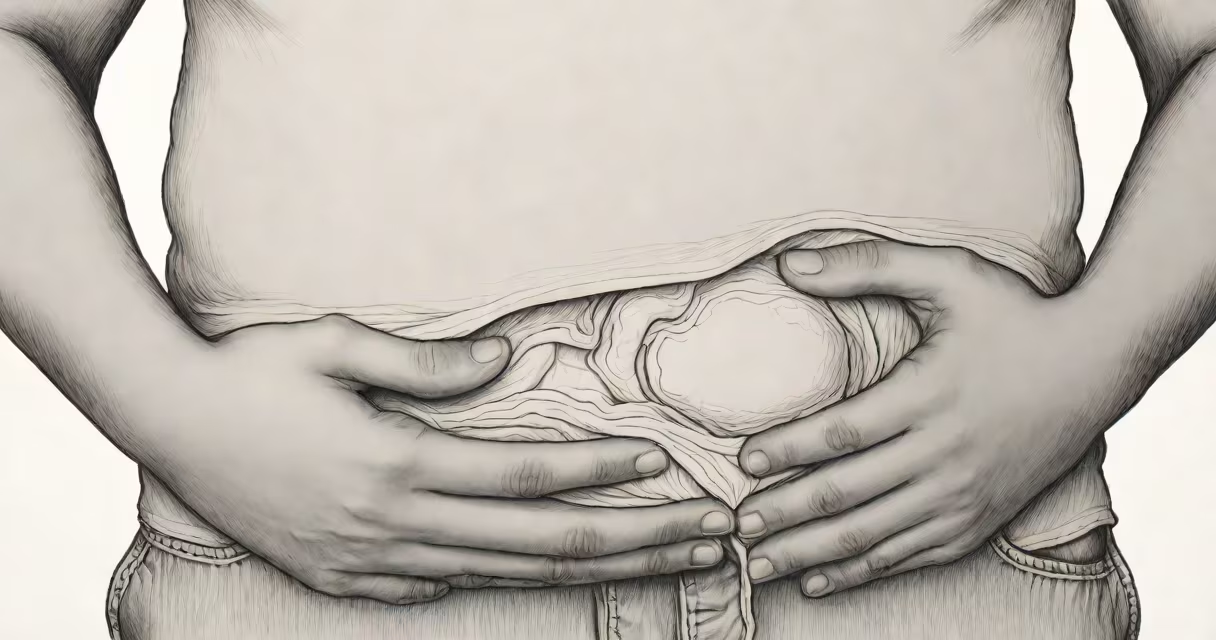
Stomach gas occurs when your digestive system traps air or gas in your gut, causing bloating, discomfort, or pain. To fix it, try over-the-counter remedies, dietary changes, or lifestyle adjustments.
Gas forms in your digestive tract when bacteria in your colon ferment undigested food. You swallow air while eating or drinking, which also contributes to gas. Most people pass gas 13-21 times daily, but excessive gas can cause discomfort.
The primary causes of stomach gas include:
To relieve stomach gas, try these methods:
| Solution | Effectiveness | Time Frame |
|---|---|---|
| Over-the-counter antacids (Tums, Rolaids) | Moderate | 15-30 minutes |
| Simethicone (Gas-X, Mylicon) | High | 15-60 minutes |
| Activated charcoal | Moderate | 30-60 minutes |
| Peppermint or ginger tea | Low to Moderate | 30-60 minutes |
For long-term prevention, avoid common gas-triggering foods like beans, cabbage, and onions. Eat slowly, chew thoroughly, and limit chewing gum. If symptoms persist, consult a doctor to rule out underlying conditions like irritable bowel syndrome (IBS) or lactose intolerance.
If stomach gas is accompanied by severe pain, diarrhea, constipation, or blood in stools, seek medical attention. These symptoms may indicate a more serious condition requiring professional treatment.