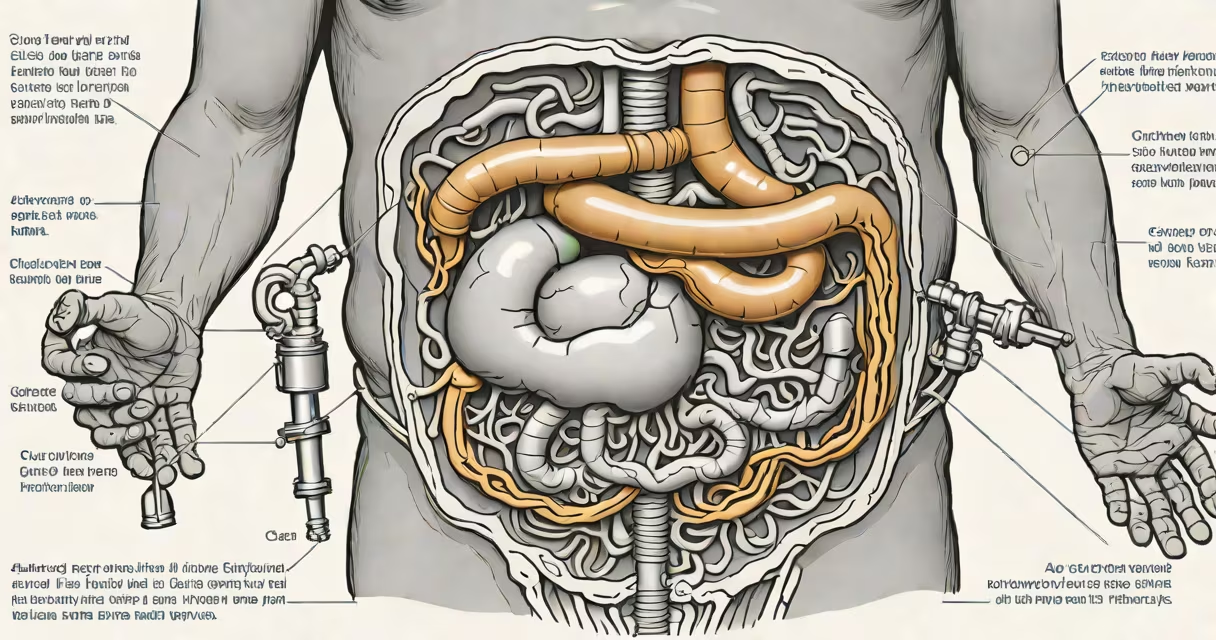
Colon gas refers to excess air trapped in the large intestine, causing bloating, discomfort, or flatulence. This typically results from swallowed air, bacterial fermentation of undigested food, or digestive disorders.
The colon houses trillions of bacteria that aid digestion. When these bacteria break down undigested carbohydrates, they produce gases like hydrogen, methane, and carbon dioxide. Some gas is expelled through burping, but the rest travels to the colon, where it may cause bloating or flatulence.
Common causes include:
To minimize colon gas, try these strategies:
Persistent or severe colon gas may indicate an underlying condition. Consult a doctor if you experience:
Conditions like irritable bowel syndrome (IBS) or small intestinal bacterial overgrowth (SIBO) may require medical treatment.
Many people believe that certain foods always cause gas, but individual tolerance varies. For example, while beans are notorious for producing gas, some people digest them without issues., while exercise helps move gas through the digestive tract, intense workouts may temporarily worsen bloating due to increased blood flow to muscles rather than the gut.
Another common myth is that all gas is expelled through flatulence. In reality, some gas is absorbed into the bloodstream and exhaled through the lungs. According to the National Institute of Diabetes and Digestive and Kidney Diseases, the average person passes gas 13-21 times per day, with most of it being odorless.