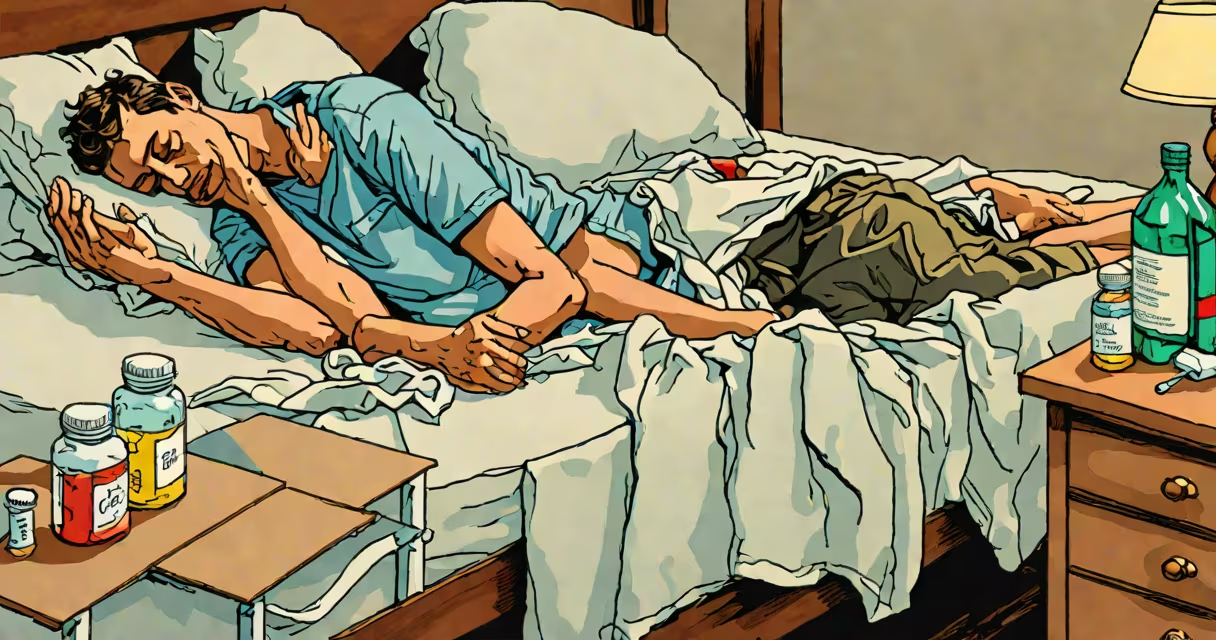
Food poisoning occurs when consuming contaminated food or drinks, causing symptoms like nausea, vomiting, diarrhea, and stomach cramps. Immediate steps include hydration, rest, and monitoring symptoms. Long-term care focuses on gradual food reintroduction and symptom management.
Food poisoning happens when harmful bacteria, viruses, or parasites contaminate food. Common culprits include Salmonella, E. coli, and norovirus. These pathogens produce toxins that irritate the digestive tract, leading to inflammation and symptoms. The Centers for Disease Control and Prevention (CDC) estimates that 48 million people get food poisoning yearly in the U.S.
| Type | Common Cause | Onset Time |
|---|---|---|
| Salmonella | Raw or undercooked eggs, poultry, meat | 6 hours to 6 days |
| E. coli | Contaminated water, undercooked ground beef | 3 to 4 days |
| Norovirus | Contaminated food or surfaces | 12 to 48 hours |
If someone shows signs of food poisoning, act quickly:
I once helped a friend with food poisoning by giving them small sips of water every few minutes until their vomiting stopped. This kept them hydrated without overwhelming their stomach.
After the acute phase, focus on gradual recovery:
Many people think throwing up helps eliminate toxins, but it can lead to dehydration. The CDC advises against inducing vomiting unless directed by a healthcare provider. Another myth is that food poisoning always causes diarrhea, but some strains primarily cause vomiting.