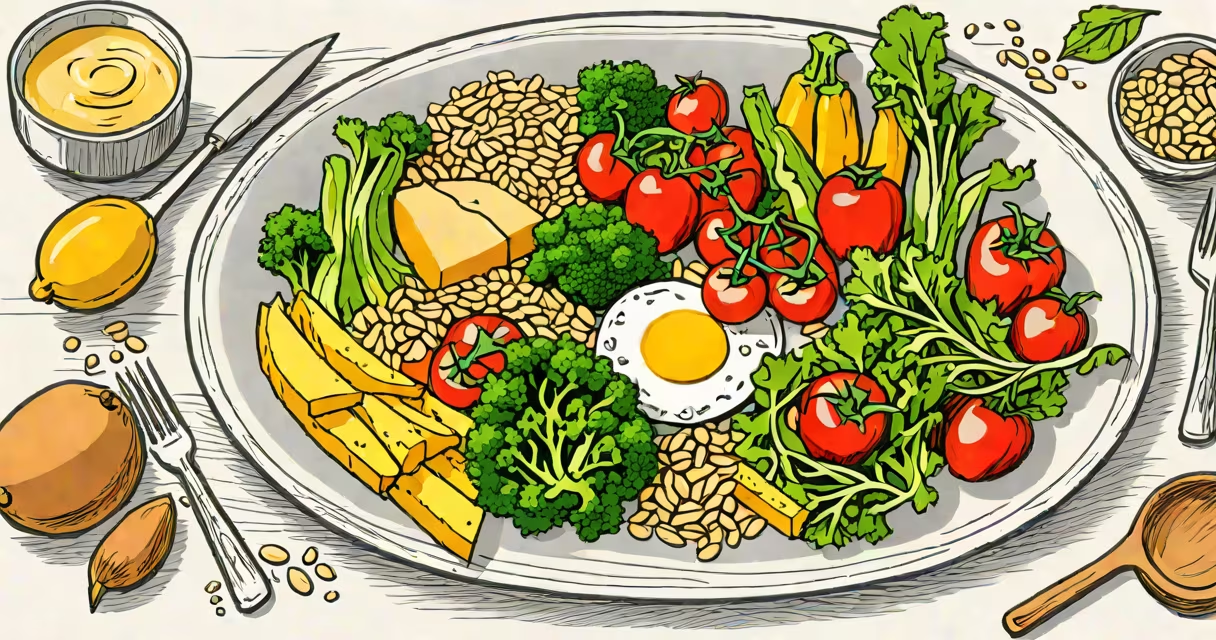
Losing weight with diet only means consuming fewer calories than your body burns, primarily through food choices rather than exercise. This creates a calorie deficit, forcing your body to use stored fat for energy.
A pound of fat contains about 3,500 calories. To lose one pound weekly, you need a daily deficit of 500 calories. This can come from eating less, choosing lower-calorie foods, or both. The key is sustainability-losing 1-2 pounds weekly is safer and more maintainable than rapid weight loss.
Most effective diets share common principles but differ in specifics. Here's a comparison:
| Diet Type | Key Principle | Example Foods |
|---|---|---|
| Low-Carb | Reduces carbohydrate intake to force the body to burn fat | Meat, fish, eggs, cheese, vegetables, nuts |
| Mediterranean | Emphasizes healthy fats, whole grains, and lean proteins | Olive oil, fish, whole grains, fruits, vegetables |
| Intermittent Fasting | Cycles between periods of eating and fasting | Any food within eating windows; none during fasting |
Many people confuse diet-only weight loss with extreme measures like crash dieting. These approaches often lead to muscle loss, nutrient deficiencies, and rebound weight gain. Instead, focus on sustainable changes. For example, swapping soda for water saves hundreds of calories daily without feeling deprived.
Here's a sample meal plan for a 1,500-calorie diet:
This plan provides balanced nutrition while maintaining a calorie deficit. Adjust portion sizes based on individual needs.