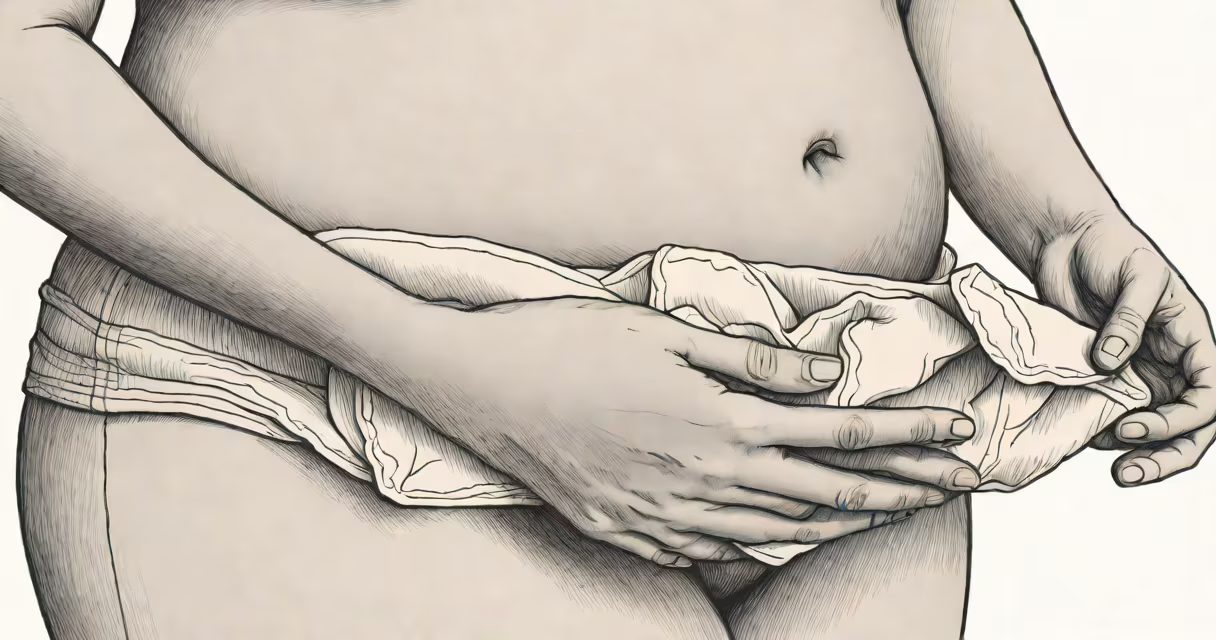
Menstrual cramps, or dysmenorrhea, occur when the uterus contracts to shed its lining. These contractions can cause sharp, throbbing, or dull pain in the lower abdomen. While mild cramps may be manageable, severe cramping can disrupt daily activities.
There are two main types of menstrual cramps:
Several methods can help alleviate menstrual cramps:
Applying heat to the lower abdomen can relax uterine muscles and reduce pain. A heating pad, hot water bottle, or warm bath can provide relief within minutes. Research published in the Journal of Obstetrics and Gynaecology confirms heat therapy's effectiveness.
Nonsteroidal anti-inflammatory drugs (NSAIDs) like ibuprofen or naproxen can reduce prostaglandins, chemicals that trigger cramping. Take these medications as directed by a healthcare provider.
Gentle exercise, such as walking, swimming, or yoga, can improve blood flow and release endorphins, which act as natural painkillers. Specific stretches targeting the lower back and abdomen may also help.
Consuming foods rich in calcium, magnesium, and vitamin B6 may reduce cramping. Examples include leafy greens, nuts, seeds, and whole grains. Staying hydrated is also important, as dehydration can worsen cramps.
Birth control methods like oral contraceptives, patches, or intrauterine devices (IUDs) can regulate menstrual cycles and reduce cramping by thinning the uterine lining. Consult a healthcare provider to discuss options.
Severe or persistent menstrual cramps may indicate an underlying condition. Seek medical attention if cramps interfere with daily life, worsen over time, or are accompanied by heavy bleeding, nausea, or dizziness.
Underlying conditions like endometriosis or pelvic inflammatory disease require professional diagnosis and treatment. Early intervention can prevent complications and improve quality of life.