Post-exercise pain, especially delayed onset muscle soreness (DOMS), happens when microscopic muscle fiber tears occur during intense or unfamiliar workouts. To reduce this pain, combine immediate cooling, gradual stretching, hydration, and targeted nutrition.
DOMS typically appears 12-48 hours after exercise and peaks around 24-72 hours. Research from the Journal of Strength and Conditioning Research confirms that eccentric contractions (lengthening muscles under load) cause the most damage. For example, lowering weights slowly creates more microtears than lifting them.
Cool down with light cardio (walking, cycling) for 5-10 minutes to flush out lactic acid. Follow this with static stretches, holding each for 20-30 seconds. Hydrate with water or electrolyte drinks to replace lost fluids. Avoid hot showers immediately after working out-they can increase inflammation.
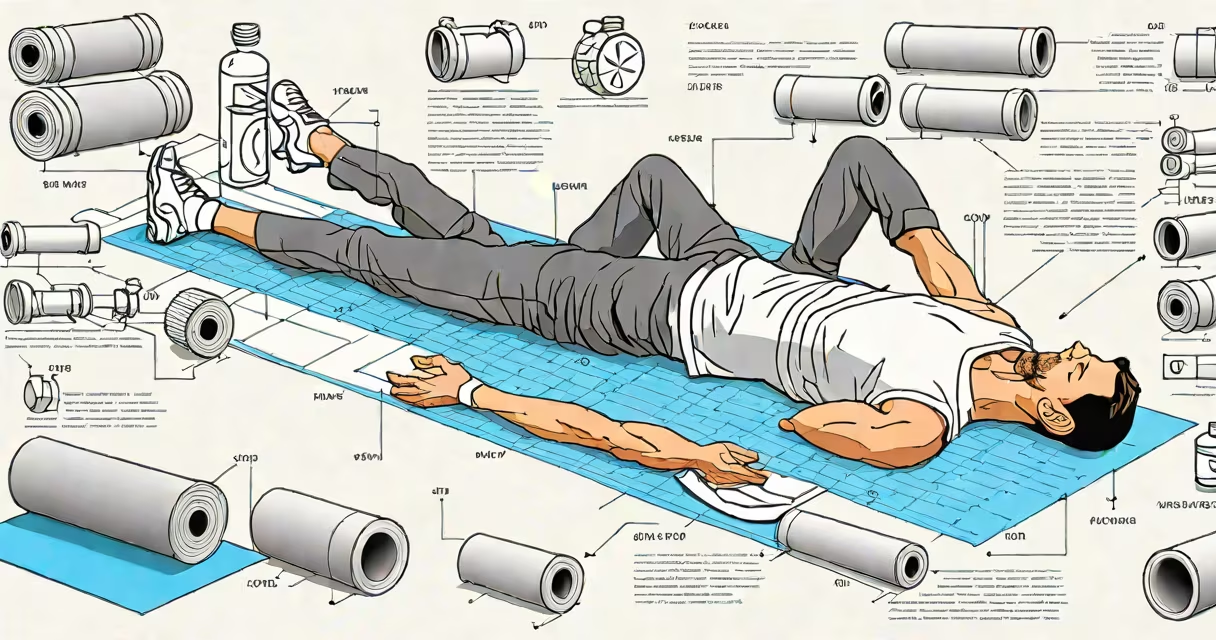
Foam rolling (self-myofascial release) reduces muscle tightness. A study in the Journal of Athletic Training found that foam rolling improves blood flow and flexibility. Eat protein-rich foods (chicken, eggs, tofu) within 30-60 minutes post-workout to repair muscle fibers. Prioritize sleep, as growth hormone release during deep sleep aids recovery.
I've found that combining foam rolling with protein shakes cuts my recovery time by nearly half. After leg day, I roll my quads and hamstrings for 5 minutes each, then drink a shake with 20g of whey protein. The soreness is still there, but it's much more manageable.
Sharp, localized pain (especially in joints like knees) that doesn't improve with rest may indicate injury. If you experience knee pain after gym workouts, read about common causes and treatments.
Many people believe that soreness equals a good workout, but research shows that DOMS is not a reliable indicator of fitness gains. Others think static stretching before exercise prevents soreness, but changing stretches (leg swings, arm circles) are more effective for warming up.
For more details on managing muscle pain, see our guide on how to ease muscle pain after gym workouts.