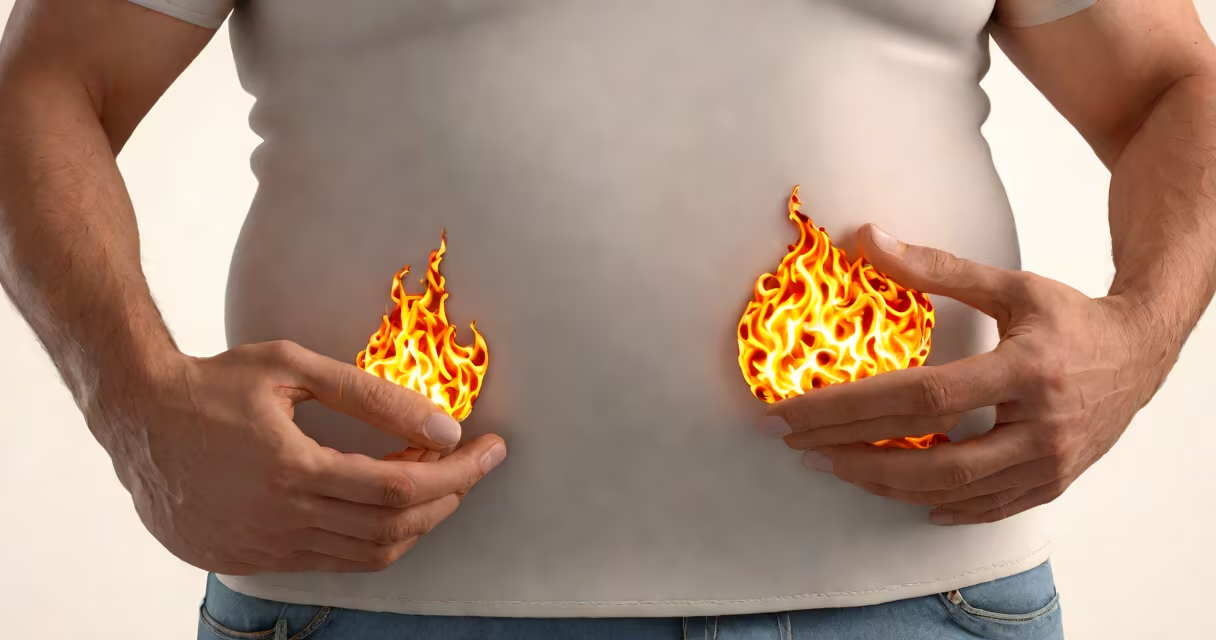
To release gas in your stomach fast, try walking, massaging your abdomen, or taking over-the-counter gas relief medication. These methods help expel trapped air and ease bloating.
Gas buildup occurs when your digestive system traps air or gas in your intestines. This can happen from swallowing air, eating gas-producing foods, or not digesting food completely. Walking and movement stimulate your intestines to move gas through your system. Abdominal massage helps by gently pushing gas bubbles out. Medications like simethicone break up gas bubbles so they're easier to pass.
The most common causes of excess stomach gas include:
Here are some of the fastest ways to relieve stomach gas:
| Method | How It Helps |
|---|---|
| Walking | Encourages movement in the intestines, helping gas pass through |
| Abdominal massage | Gently pushes gas bubbles out of the digestive tract |
| Over-the-counter gas relief meds | Breaks up gas bubbles for easier passage |
| Drinking peppermint or ginger tea | Helps relax the digestive muscles and reduce bloating |
| Using a heating pad | Relaxes abdominal muscles, making it easier to pass gas |
Many people mistakenly think lying down helps relieve gas, but this often makes bloating worse. Gravity helps move gas through your system, so staying upright is better. Another mistake is eating foods that cause gas while trying to relieve it. Avoid beans, dairy, and carbonated drinks until your symptoms improve.
I once had severe bloating after a large meal. Instead of resting, I took a 15-minute walk and massaged my abdomen. Within half an hour, the discomfort faded. Movement and gentle pressure were key.
If stomach gas is frequent, painful, or accompanied by other symptoms like diarrhea, constipation, or unexplained weight loss, see a doctor. These could indicate conditions like irritable bowel syndrome (IBS) or food intolerances. A healthcare provider can help identify the underlying cause and recommend treatments.