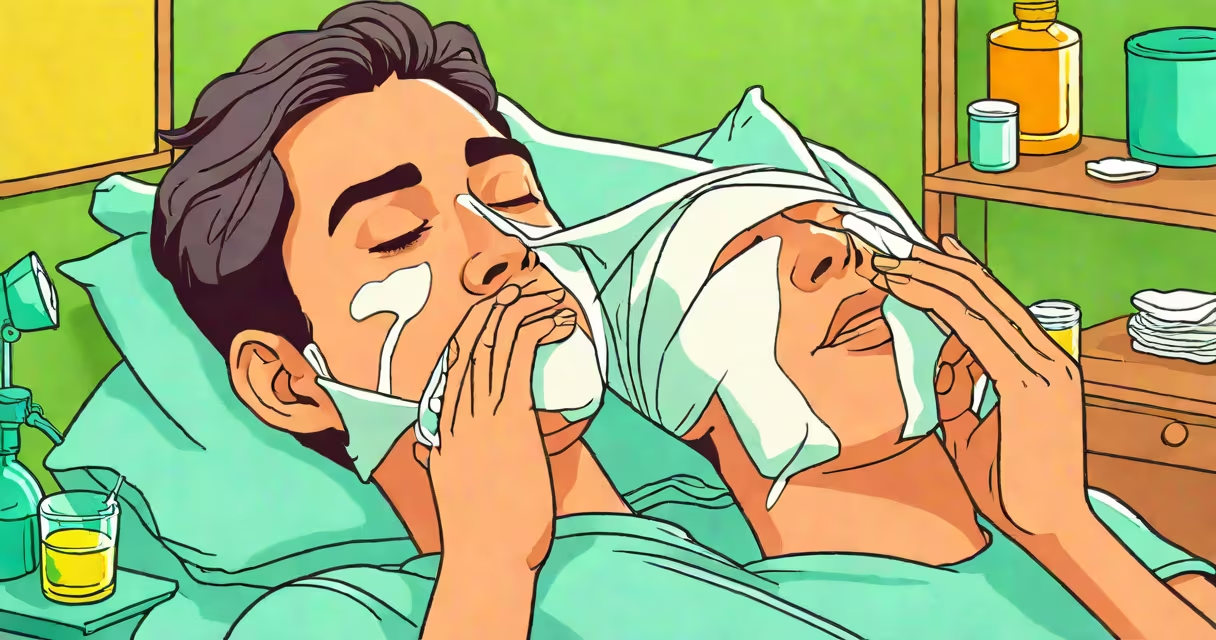
Allergy eyes occur when pollen, dust, or pet dander triggers histamine release, causing itching, redness, and watering. Relief comes from removing irritants, using medications, or applying home remedies.
Allergens trigger mast cells in your eyelids to release histamines, which cause blood vessels to swell and eyes to itch. This reaction is faster in the thin tissue around the eyes than in other parts of the body.
Seasonal allergies often worsen in spring and fall, while year-round allergens like dust mites or pet dander cause persistent symptoms. The American Academy of Ophthalmology notes that 50 million Americans experience eye allergies annually.
| Treatment Type | Examples | Effectiveness |
|---|---|---|
| Artificial Tears | Systane, Refresh | Temporary relief |
| Antihistamine Eye Drops | Zaditor, Alaway | Fast-acting, lasts hours |
| Mast Cell Stabilizers | Pataday, Alocril | Prevents reactions |
| Decongestant Eye Drops | Visine, Clear Eyes | Reduces redness |
Over-the-counter oral antihistamines like cetirizine or loratadine also help. For severe cases, prescription eye drops or immunotherapy may be needed.
A cold compress reduces swelling by constricting blood vessels. Soak a clean washcloth in cold water, wring it out, and apply it to your closed eyes for 5-10 minutes. Repeat as needed.
Saline solution rinses remove allergens from your eyes. Use preservative-free saline drops or make your own by mixing 1 cup of distilled water with ¼ teaspoon of salt.
If symptoms persist beyond a few days or worsen, consult an eye doctor. Chronic rubbing can damage the cornea, and untreated allergies may lead to eye infections. A doctor can prescribe stronger medications or identify underlying conditions.
I once had persistent eye allergies that didn't improve with over-the-counter drops. My doctor prescribed Pataday, which provided long-lasting relief. Always follow your doctor's advice for the best results.