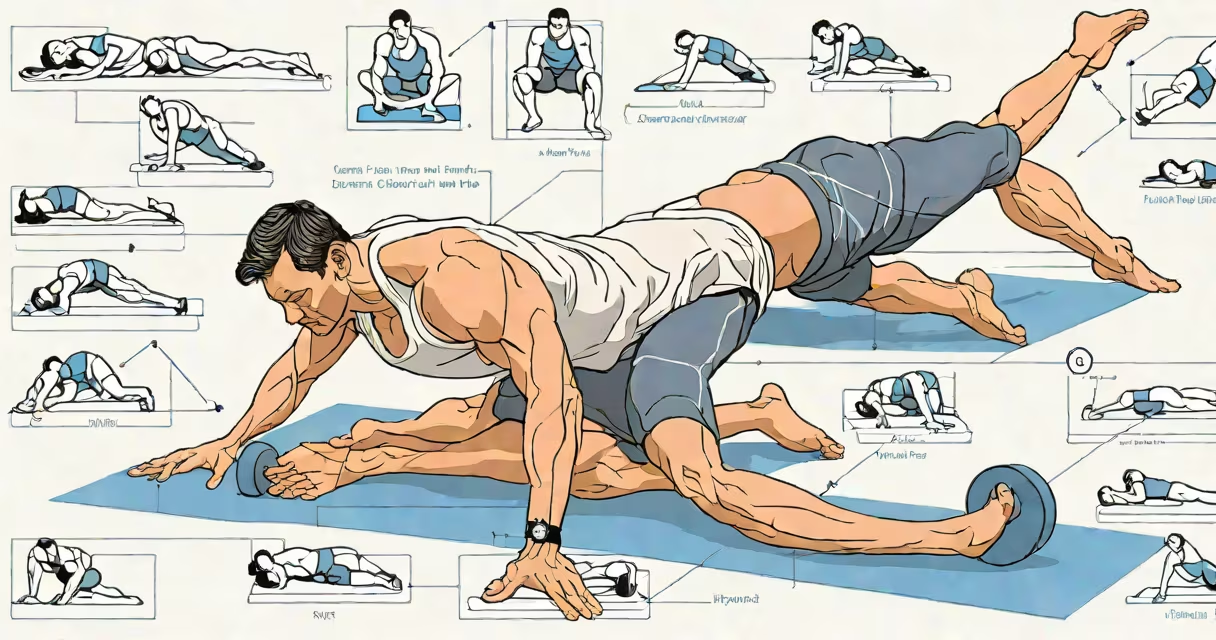
Muscle pain after a workout, especially delayed onset muscle soreness (DOMS), happens when microscopic damage occurs during exercise. To relieve it, combine rest, gentle movement, hydration, and targeted treatments.
DOMS typically peaks 24-72 hours after intense or unfamiliar exercise. The soreness comes from tiny tears in muscle fibers and inflammation during repair. Even light activities like walking or light jogging can trigger it in beginners.
According to the American Council on Exercise, eccentric contractions-lengthening muscles under load-cause more damage than concentric (shortening) or isometric (static) movements. Lower-body workouts often cause more DOMS than upper-body ones because legs handle more daily stress.
For fast relief, try these methods:
I've found that foam rolling works best when combined with stretching. After a tough leg day, I'll spend 5-10 minutes rolling my quads, hamstrings, and calves before doing light stretches.
To prevent severe soreness, focus on gradual progression, proper warm-ups, and cooldowns. The National Academy of Sports Medicine recommends changing stretches before workouts and static stretches afterward.
Active recovery-like walking or cycling-keeps blood flowing to sore muscles without adding more damage. A 2019 study in the Journal of Strength and Conditioning Research found that light exercise reduced DOMS more effectively than complete rest.
See a healthcare provider if pain lasts longer than a week, worsens over time, or comes with swelling, redness, or sharp pain. These could indicate muscle strains, tendonitis, or other injuries.
Many people think DOMS means a "good workout," but soreness isn't always tied to effectiveness. Some exercises cause minimal soreness while still building strength.
Another myth is that massages prevent DOMS. While they feel good, research shows they don't reduce soreness long-term. However, they may help with relaxation and blood flow.
Avoid anti-inflammatory drugs like ibuprofen before workouts, as they may interfere with muscle adaptation. If taken, use them sparingly and only after exercise.
Muscle pain after a workout is normal but manageable. Focus on gradual progress, proper recovery, and targeted relief techniques. If soreness becomes severe or persistent, consult a healthcare professional.