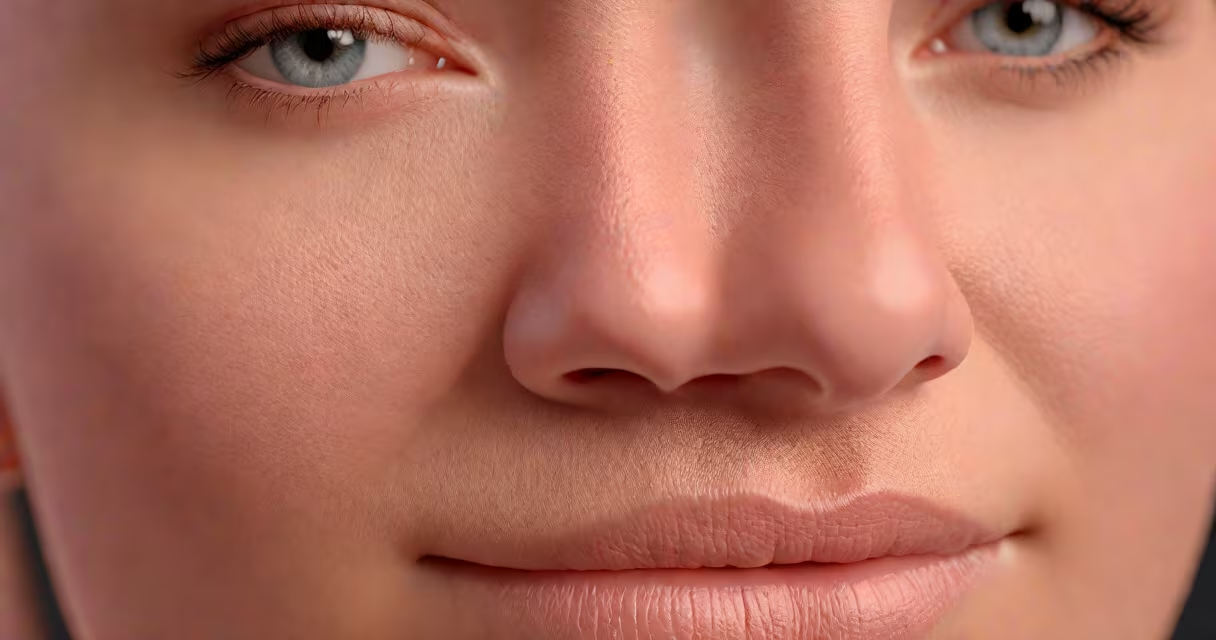
Blushing is your body's involuntary reddening response to emotional triggers, typically signaling embarrassment, shyness, or attraction. This physiological reaction occurs when adrenaline stimulates blood vessels in your face.
When you experience strong emotions, your sympathetic nervous system activates. This releases adrenaline, which causes blood vessels in your face to dilate. The increased blood flow makes your cheeks appear redder than usual.
The intensity varies by individual. Some people blush more easily due to genetic factors or heightened emotional sensitivity. Studies suggest about 30% of people blush more frequently than others.
| Type | Trigger | Duration |
|---|---|---|
| Embarrassment blush | Social mistakes or attention | Seconds to minutes |
| Shyness blush | Meeting new people | Minutes |
| Attraction blush | Romantic interest | Minutes to hours |
Another myth is that blushing only happens in social situations. People can blush while alone, triggered by memories or internal thoughts. I've noticed this when recalling particularly joyful or embarrassing moments from my past.
Blushing patterns differ across cultures. In some Asian cultures, blushing might indicate romantic interest more strongly than in Western societies. Research shows Japanese individuals tend to blush more frequently than their European counterparts during social interactions.
According to anthropologist Helen Fisher, blushing serves as a nonverbal signal of honesty and vulnerability. It's often seen as an honest expression of emotion, which can build trust in relationships.
For some, excessive blushing can become socially debilitating. A condition called erythrophobia involves intense fear of blushing in public situations. Treatment options include cognitive behavioral therapy and, in severe cases, medication.
If you find blushing interferes with daily life, consulting a healthcare professional can help identify underlying causes and appropriate interventions.