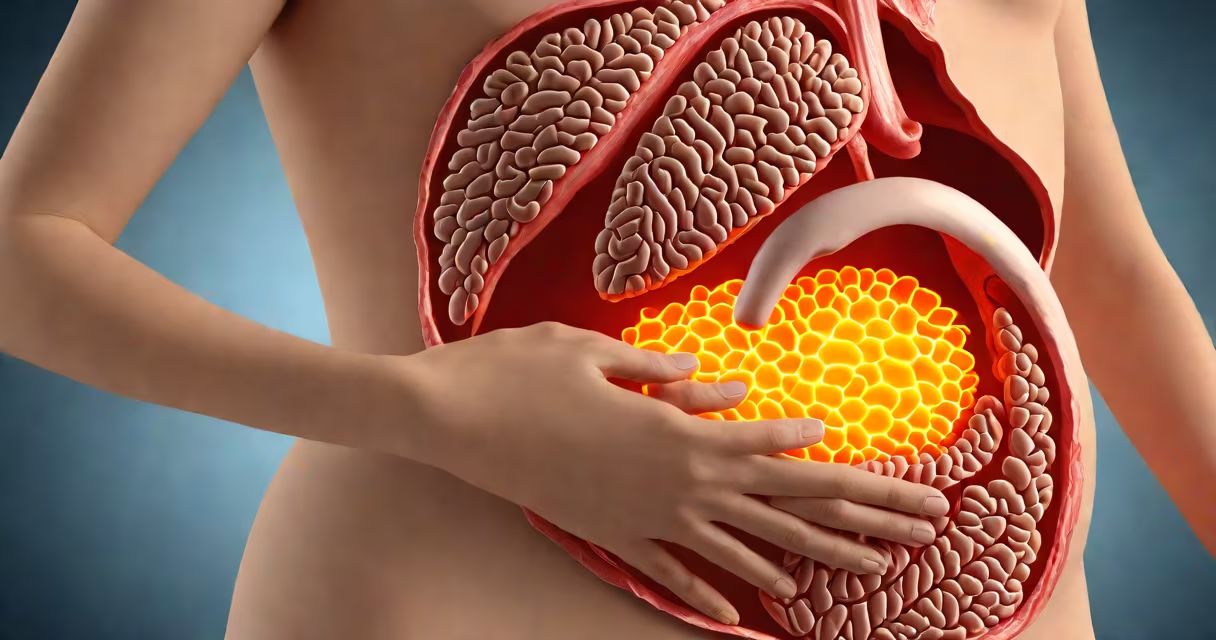
An inflamed gastric antrum is a condition where the lower portion of the stomach, known as the gastric antrum, becomes irritated or swollen. This area is important for grinding food and mixing it with digestive juices.
The gastric antrum is the final section of the stomach that connects to the small intestine via the pyloric sphincter. When inflamed, this area can disrupt normal digestion, leading to symptoms such as nausea, vomiting, and abdominal pain. The inflammation can be caused by various factors, including infections, chronic stress, or certain medications.
Inflammation in the gastric antrum can be categorized into several types based on its underlying cause:
Common symptoms of an inflamed gastric antrum include upper abdominal pain, bloating, nausea, and occasional vomiting. In severe cases, it may lead to gastrointestinal bleeding, which can cause black stools or vomiting blood. Diagnosis typically involves endoscopic procedures, where a doctor examines the stomach lining using a flexible tube with a camera.
According to the American Gastroenterological Association, endoscopic biopsy is the gold standard for diagnosing gastric inflammation, particularly when H. pylori infection is suspected.
Treatment depends on the underlying cause. For bacterial infections, antibiotics are prescribed. Lifestyle changes, such as avoiding spicy foods, reducing alcohol intake, and managing stress, can also alleviate symptoms. In cases of erosive gastritis caused by NSAIDs, switching to alternative medications may be necessary.
Proton pump inhibitors (PPIs) are commonly used to reduce stomach acid production and promote healing of the inflamed tissue. These medications are effective in managing symptoms and preventing complications.
Many people confuse an inflamed gastric antrum with general stomach flu or indigestion. While these conditions may share some symptoms, they are distinct. Stomach flu, for instance, is usually viral and resolves on its own, whereas gastric inflammation requires specific treatment.
Another misconception is that only severe symptoms indicate inflammation. Mild, persistent symptoms like occasional bloating or discomfort can also signal underlying issues that need attention.
I once experienced mild, persistent bloating and discomfort, which I initially dismissed as minor indigestion. After consulting a healthcare provider, I was diagnosed with mild gastric inflammation. Adjusting my diet and managing stress improved my symptoms.