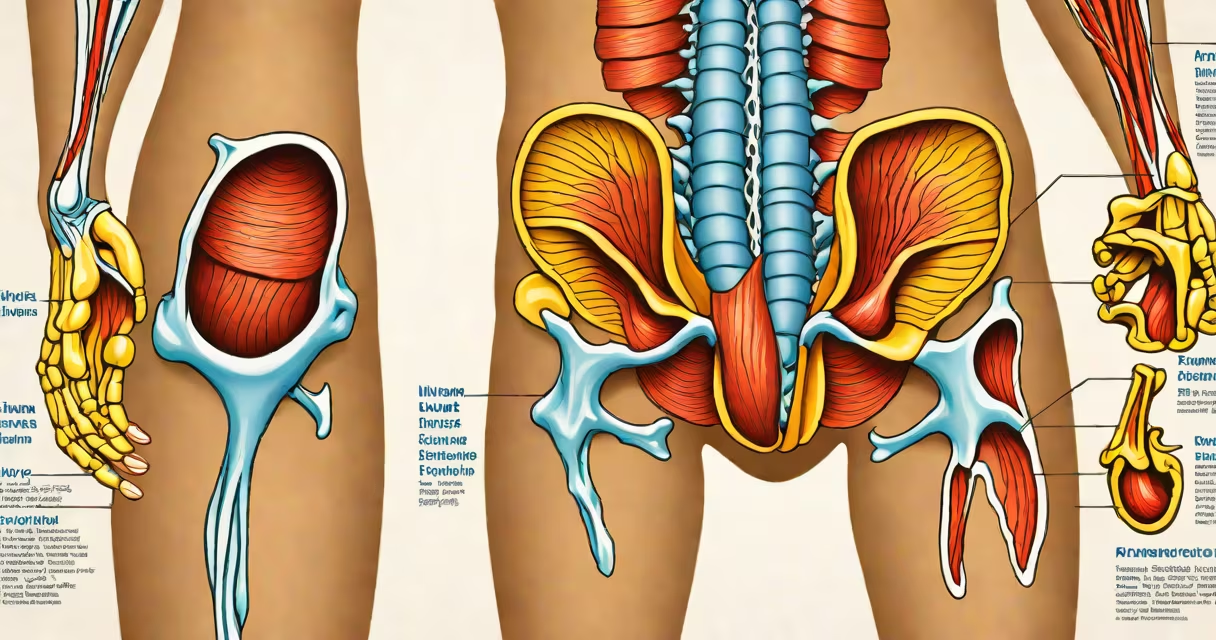
Inner hip muscle pain results from irritation or injury to muscles like the gluteus medius, gluteus minimus, or hip flexors. This discomfort often manifests as deep aching sensations during movement or prolonged sitting.
The inner hip region contains several key muscles that stabilize the pelvis and help movement. The gluteus medius and minimus abduct the leg (move it away from the body's midline) while the hip flexors, including the iliopsoas, lift the thigh toward the torso. When these muscles become strained or inflamed, they can cause significant discomfort.
| Muscle Group | Common Causes | Typical Pain Location |
|---|---|---|
| Gluteus Medius/Minimus | Overuse, poor posture, muscle imbalances | Outer hip radiating inward |
| Hip Flexors (Iliopsoas) | Prolonged sitting, sudden movements | Front of hip and groin |
| Adductors | Overexertion, sports injuries | Inner thigh and groin |
Inner hip muscle pain often arises from overuse, particularly in runners or cyclists. Poor posture, such as sitting with legs crossed for extended periods, can also contribute. Muscle imbalances, where some muscles become tighter while others weaken, frequently lead to compensatory strain. According to the American Academy of Orthopaedic Surgeons, hip flexor strains are particularly common among athletes and sedentary individuals alike.
Symptoms typically include deep aching sensations, tenderness to touch, and reduced range of motion. Pain may worsen with activity or after prolonged sitting. Diagnosis usually involves a physical examination to assess muscle strength, flexibility, and pain triggers. Imaging tests like MRIs are sometimes used to rule out other conditions.
One non-obvious symptom is referred pain. For example, issues with the gluteus medius can sometimes cause discomfort in the lower back or knee. This is why inner hip muscle pain is often confused with lower back problems or knee issues. A study published in the Journal of Orthopaedic & Sports Physical Therapy found that 30% of patients with chronic hip pain were initially misdiagnosed with lumbar spine issues.
Initial treatment often includes rest, ice, and over-the-counter anti-inflammatory medications. Gentle stretching and strengthening exercises can help restore function. For persistent cases, physical therapy may be recommended. Prevention focuses on maintaining proper posture, incorporating regular exercise, and addressing muscle imbalances early.
I once worked with a client who experienced chronic inner hip pain due to prolonged sitting at a desk job. By introducing regular breaks to stretch and strengthen the hip flexors and gluteal muscles, we reduced their discomfort within six weeks. The key was consistent, targeted exercises rather than generic stretches.