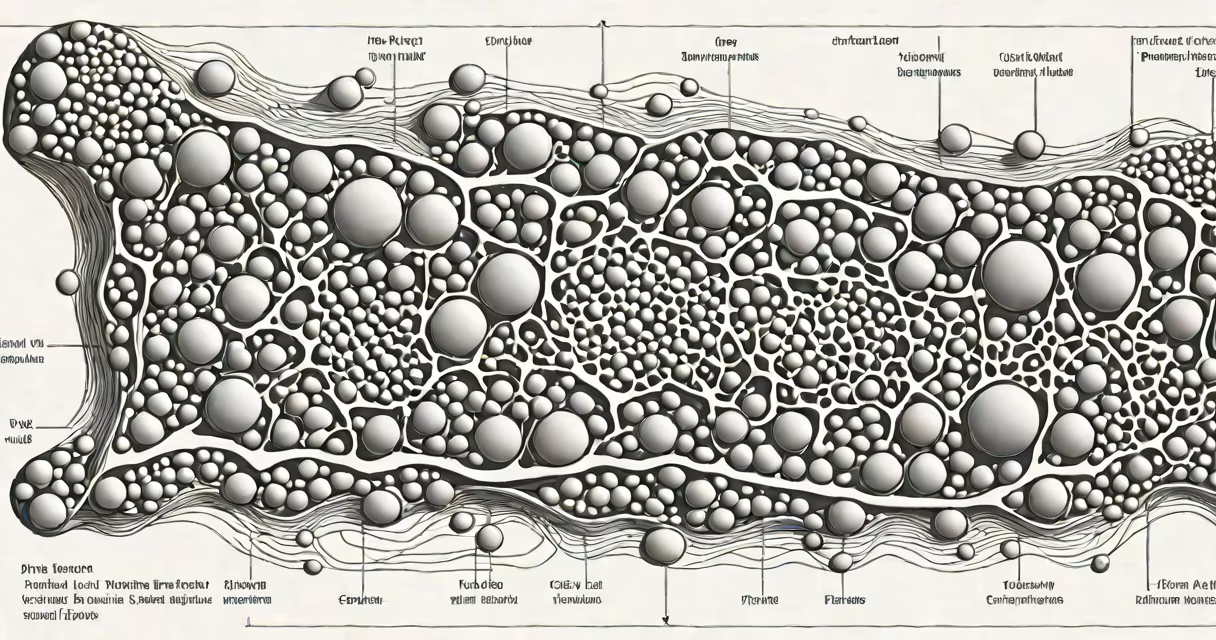
Integral cell membrane proteins are proteins permanently attached to the lipid bilayer of biological membranes, spanning the entire membrane or embedded within it. These proteins play critical roles in cell signaling, transport, and adhesion.
These proteins interact directly with the hydrophobic core of the lipid bilayer. Their structures often include hydrophobic regions that allow them to embed within the membrane. Some integral proteins span the entire membrane, known as transmembrane proteins, while others are partially embedded.
Integral cell membrane proteins can be classified based on their structure and function:
| Type | Description | Example |
|---|---|---|
| Transmembrane Proteins | Proteins that span the entire membrane | G-protein coupled receptors |
| Peripheral Membrane Proteins | Proteins attached to the surface of the membrane | Kinases and phosphatases |
| Lipid-Anchored Proteins | Proteins attached to the membrane via lipid molecules | GPI-anchored proteins |
One common misconception is that all membrane proteins are peripheral and can be easily removed. However, integral membrane proteins are tightly bound to the lipid bilayer and require harsh treatments for removal. Another misunderstanding is that these proteins are static; in reality, they are highly changing and can move within the membrane.
For example, the sodium-potassium pump, an integral membrane protein, actively transports ions across the membrane, maintaining the electrochemical gradient necessary for nerve impulse transmission. This process is important for the functioning of neurons and muscle cells.
Integral cell membrane proteins are important components of biological membranes, playing diverse roles in cellular function. Their unique structures allow them to interact with the hydrophobic environment of the lipid bilayer, facilitating essential processes such as transport, signaling, and cell recognition.