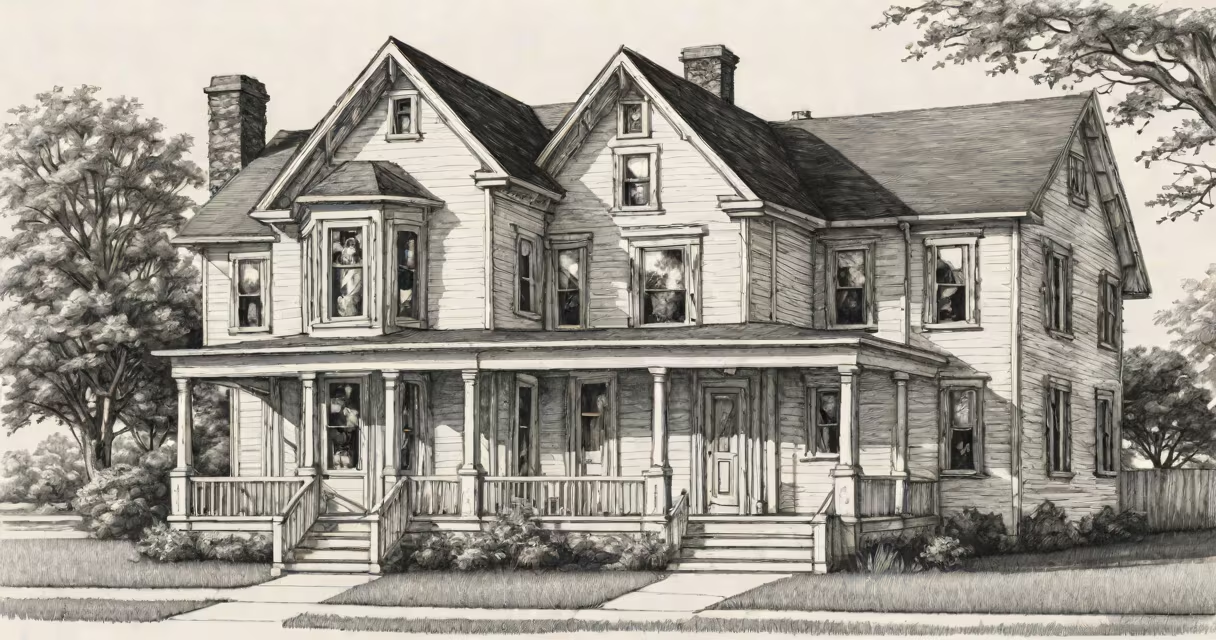
"Home" is both a noun and an adjective, depending on its usage in a sentence. As a noun, it refers to a place of residence or origin.
The word "home" functions as a noun when it serves as the subject, object, or complement in a sentence. For example:
In these cases, "home" is a concrete noun representing a physical dwelling or an abstract concept of belonging.
Nouns can be classified into different types based on their roles in sentences. Here's a table showing how "home" fits into common noun categories:
| Type of Noun | Example with "Home" |
|---|---|
| Common Noun | "They bought a new home in the suburbs." |
| Proper Noun (when referring to a specific place) | "Home Depot is a popular hardware store." |
| Abstract Noun | "The feeling of home is comforting." |
"Home" as a noun is used in various contexts, from everyday conversations to formal writing. It often appears in phrases like "go home," "at home," or "from home." For instance, "She left her keys at home" uses "home" to indicate a location.
A common mistake is confusing "home" as a noun with its use as an adjective. When used as an adjective, "home" modifies another noun, such as in "home cooking" or "home office." Understanding the difference helps avoid grammatical errors.
Many people mistakenly believe "home" is always an adjective. However, it functions as a noun when it stands alone or is part of a noun phrase. For example, "home" in "home sweet home" is a noun, while "home" in "home security system" is an adjective.
According to the Merriam-Webster Dictionary, "home" can be both a noun and an adjective. The context determines its role in a sentence.
When I wrote my first article about grammar, I initially thought "home" was only an adjective. After researching, I realized it can also be a noun. This understanding helped me correct similar misconceptions in my writing.