Fasted cardio is exercising on an empty stomach, typically before breakfast. It's often promoted for fat loss, but its benefits depend on your goals and physiology.
When you exercise in a fasted state, your body taps into fat stores for energy more quickly than when fueled by recent meals. This happens because glycogen (stored carbs) is lower, forcing your body to rely on fat as its primary energy source.
| Type | Intensity | Best For |
|---|---|---|
| Steady-state | Low to moderate | Fat burning, endurance |
| High-intensity interval training (HIIT) | High | Performance, muscle retention |
| Walking or light jogging | Low | Easy fat-burning sessions |
Fasted cardio is popular among those aiming to lose weight, especially stubborn fat around the abdomen. It's also common among athletes who want to improve endurance or performance. However, it may not be ideal for muscle gain due to the lack of immediate fuel for intense workouts.
Many believe fasted cardio burns fat exclusively, but it actually burns a mix of fat and muscle if protein intake is insufficient later in the day. A study published in the Journal of the International Society of Sports Nutrition found that fasted cardio doesn't necessarily lead to greater fat loss over time compared to fed cardio.
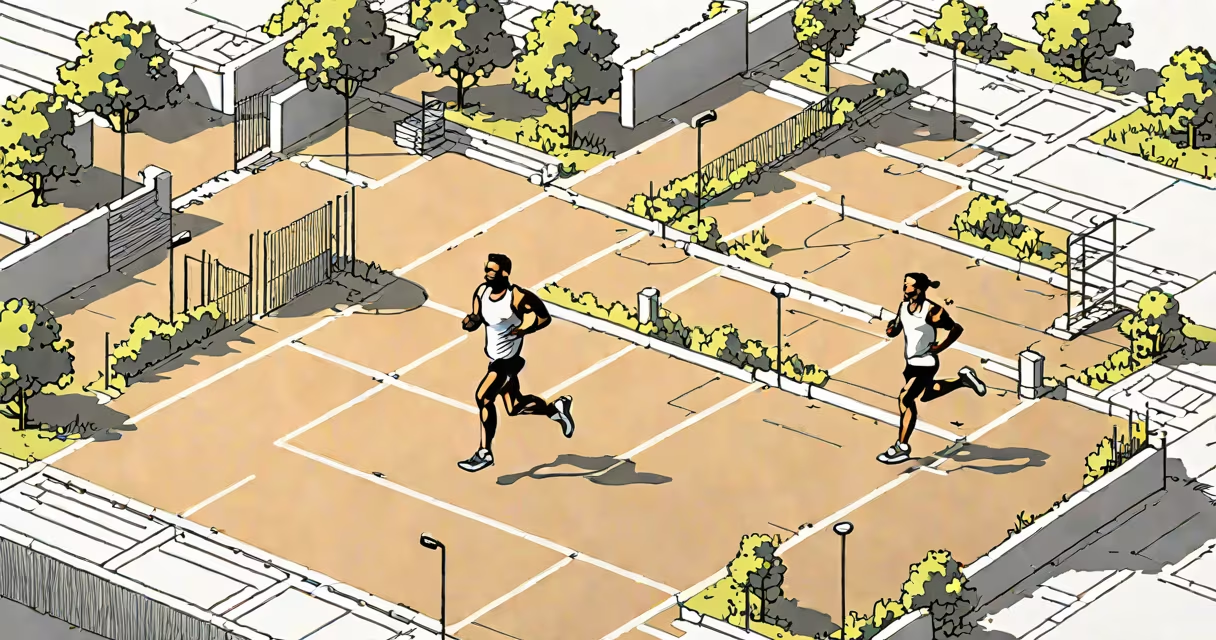
Imagine a runner who skips breakfast and goes for a 45-minute jog at 6 AM. Their body, low on glycogen, will burn fat for energy. Later, they eat a high-protein meal to replenish muscles. While this may help with fat loss, their performance during the run could suffer compared to running after a carb-rich meal.
I've tried fasted cardio myself, alternating between mornings with and without breakfast. On fasted days, my runs felt slower, but I noticed better recovery afterward. The key was ensuring I ate enough protein later to support muscle health.
Fasted cardio can be effective for fat loss, but it's not a magic solution. Pair it with proper nutrition and training for the best results. For more on how good habits impact health, see how goodwill builds fitness communities.