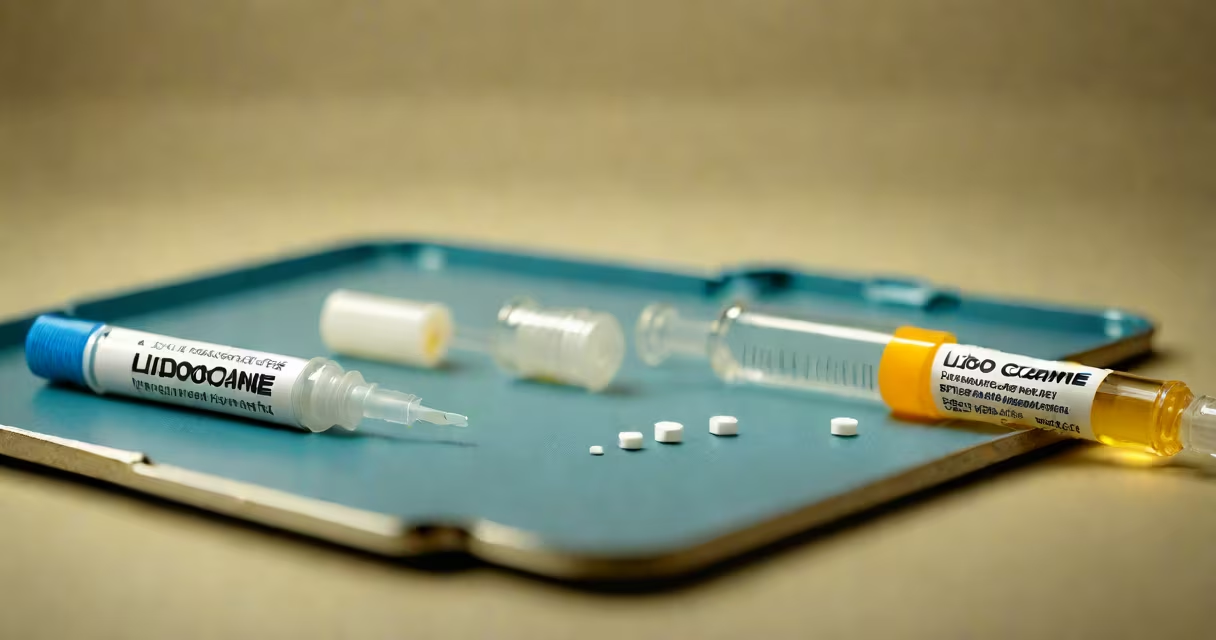
Lidocaine is not a controlled substance under U.S. federal law. It is a local anesthetic commonly used to numb tissues during medical procedures. The Drug Enforcement Administration (DEA) does not classify it as a controlled substance because it lacks the potential for abuse or dependence.
Lidocaine blocks sodium channels in nerve cells, preventing them from sending pain signals to the brain. This makes it useful for dental work, minor surgeries, and treating conditions like arrhythmias. It is available in various forms, including injections, gels, and patches.
| Type | Common Uses |
|---|---|
| Injection | Dental procedures, surgical anesthesia |
| Topical Gel | Skin conditions, wound care |
| Patch | Post-herpetic neuralgia, chronic pain |
The DEA categorizes drugs based on their potential for abuse and medical use. Lidocaine is not addictive, and its therapeutic benefits outweigh any risks. Unlike opioids or stimulants, it doesn't produce euphoria or dependence. However, improper use can cause serious side effects, such as heart problems or seizures.
During a routine dental visit, a dentist might apply lidocaine gel to numb your gums before drilling. This ensures you feel no pain while the procedure is performed. The gel works within minutes and wears off after a few hours, making it safe for outpatient use.
Lidocaine is not a controlled substance, but it plays a important role in medicine. Its safety profile and effectiveness make it a go-to choice for pain management and other treatments. Always follow your doctor's instructions to avoid misuse.