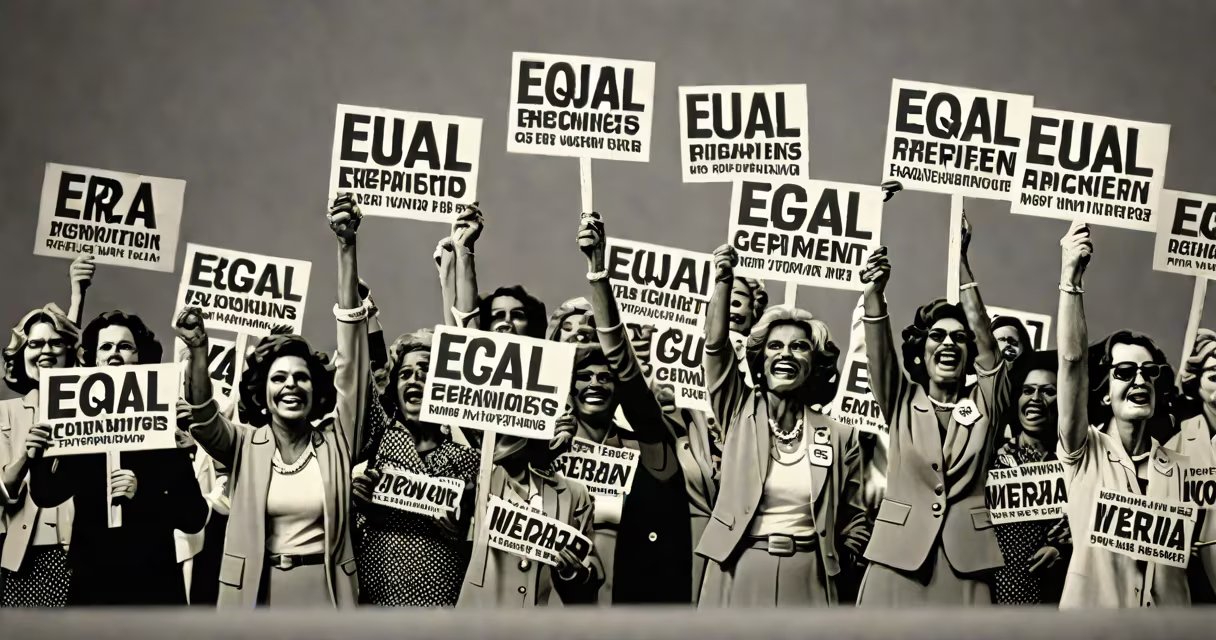
The Equal Rights Amendment (ERA) is not yet fully ratified. It requires 38 states to approve it, but only 35 have done so as of 2024.
Amending the U.S. Constitution requires approval by two-thirds of both houses of Congress and three-fourths of state legislatures. The ERA passed Congress in 1972 but fell short of state ratifications.
| Type | Process | Example |
|---|---|---|
| Congressional Proposal | 2/3 vote in House & Senate | ERA (1972) |
| Constitutional Convention | 2/3 states call convention | None since 1787 |
The ERA aims to guarantee equal rights regardless of sex. It's commonly confused with existing laws like the 19th Amendment (voting rights) or Title IX (education). Unlike these, the ERA would embed equality directly in the constitution.
Many assume the ERA was ratified decades ago. In reality, it stalled at 35 states. Some states later rescinded their ratifications, further complicating its path to adoption.
According to the National Archives, the ERA's ratification process remains open. Legal scholars debate whether the original deadline (1979) applies or if new ratifications count toward the 38 needed.
I once attended a town hall where a congresswoman argued for renewed ERA efforts. She cited modern examples of gender pay gaps and workplace discrimination as reasons to revive the amendment process.