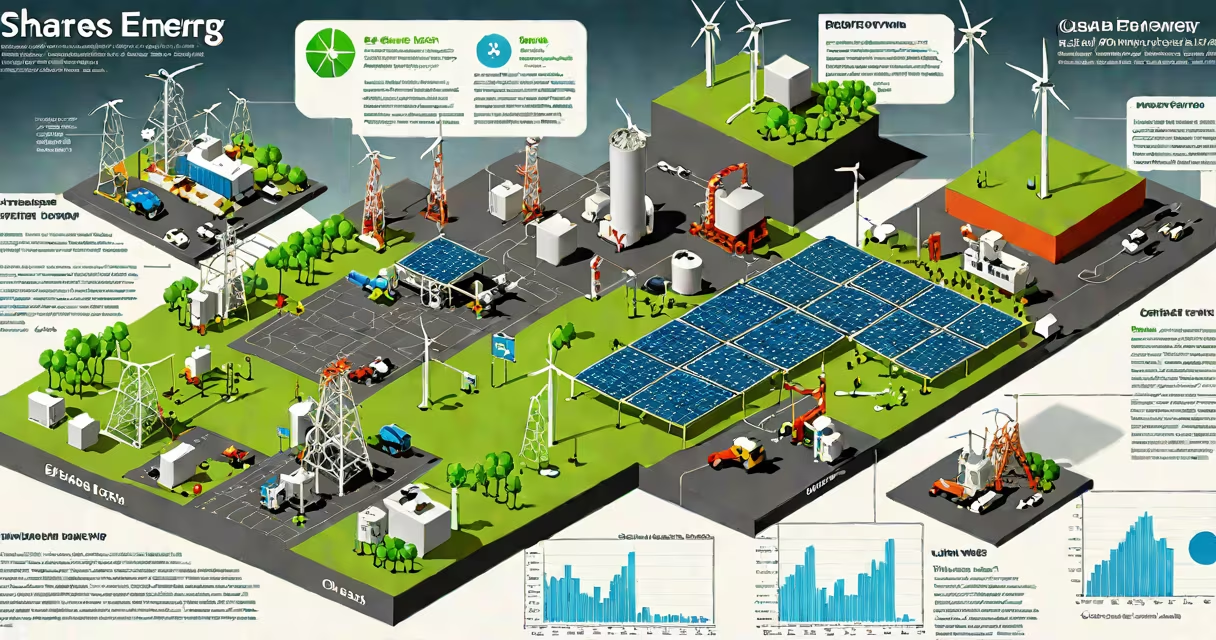
The iShares Global Clean Energy ETF (ICLN) is an exchange-traded fund tracking 30 of the largest global companies involved in clean energy and related technologies. Launched in 2008, it provides investors exposure to renewable energy production and innovation without requiring direct stock picking.
ICLN follows the S&P Global Clean Energy Index, which selects companies based on revenue from solar, wind, hydroelectric, geothermal, biomass, and other renewable sources. The fund rebalances quarterly to maintain accurate sector representation. As of 2023, top holdings include NextEra Energy, Vestas Wind Systems, and Enphase Energy.
Each share represents a fraction of the underlying portfolio, trading like a stock. Investors benefit from diversification across 11 countries and multiple energy subsectors. The expense ratio stands at 0.35%, lower than many actively managed funds.
The ETF divides its holdings into four primary sectors:
| Sector | Weight (%) | Key Companies |
|---|---|---|
| Wind | 35% | Vestas, Siemens Gamesa |
| Solar | 30% | First Solar, Enphase Energy |
| Biofuels/Biomass | 15% | Renewable Energy Group |
| Other Renewables | 20% | Orsted, NextEra Energy |
Unlike broader energy ETFs, ICLN excludes fossil fuel companies entirely. This focus distinguishes it from funds that blend traditional and renewable energy sources.
Government policies and corporate commitments drive renewable energy adoption. The International Energy Agency projects global renewable capacity will double by 2027. ICLN offers exposure to this growth while mitigating risks associated with individual stocks.
Many investors confuse clean energy ETFs with utility-focused funds. While utilities distribute energy, clean energy ETFs invest in companies producing renewable power generation equipment and infrastructure. ICLN's holdings primarily manufacture turbines, panels, and storage solutions rather than distribute electricity.
Since inception, ICLN has delivered volatile but positive returns. For example, it gained 147% from March 2020 to January 2021 during a clean energy market surge, then corrected by 38% over the following year. Such volatility reflects the sector's sensitivity to policy changes and commodity prices.
Investors should compare ICLN to similar funds like iShares Global Tech ETF, which includes tech companies developing clean energy solutions. Unlike ICLN's pure-play focus, tech ETFs may include companies with only partial clean energy revenue.
Some believe clean energy ETFs exclude profitable fossil fuel companies. In reality, ICLN's index methodology requires companies to derive most revenue from renewable sources. For instance, NextEra Energy operates natural gas plants but qualifies due to its dominant position in wind and solar.
Another mistake is assuming all clean energy ETFs perform similarly. ICLN's global focus differs from regional funds like the Invesco Solar ETF, which concentrates on U.S. solar manufacturers. Investors should research geographic exposures when comparing funds.