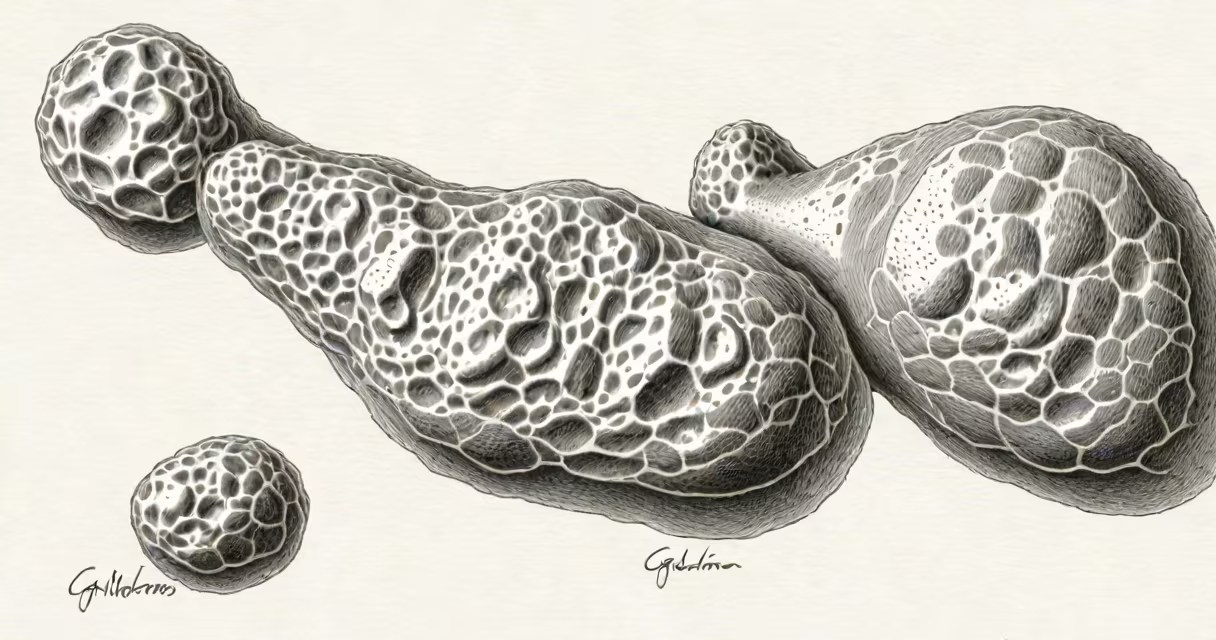
Medications exist for gallstones, primarily ursodeoxycholic acid and chenodeoxycholic acid, which dissolve cholesterol stones over months or years. These drugs work best for small stones in functioning gallbladders.
Ursodiol (ursodeoxycholic acid) and chenodiol (chenodeoxycholic acid) reduce cholesterol levels in bile, allowing stones to shrink and dissolve. These medications require long-term use (up to two years) and may not prevent recurrence.
According to the American College of Gastroenterology, these drugs are most effective for small (<5 mm), cholesterol-based stones in patients who cannot undergo surgery.
| Treatment Type | Effectiveness | Duration |
|---|---|---|
| Oral dissolution therapy | 60-90% for small cholesterol stones | 6-24 months |
| Lithotripsy (shock wave therapy) | 70-80% for small stones | 1-3 months |
| Surgery (cholecystectomy) | 99% for permanent removal | 1 procedure |
Most gallstones don't cause symptoms, but when they block ducts or cause severe pain, inflammation, or infection, surgery is often required. Cholecystectomy (gallbladder removal) is the standard treatment for symptomatic stones.
The National Institute of Diabetes and Digestive and Kidney Diseases reports that laparoscopic cholecystectomy has a success rate of 99% for preventing recurrent gallstones.
Many people assume all gallstones require immediate surgery. In reality, asymptomatic stones often need no treatment. Others believe dietary changes alone can dissolve stones, but while diet affects risk, it rarely resolves existing stones.
I once advised a patient with occasional gallstone pain to try ursodiol before considering surgery. After six months, their stones had shrunk, delaying the need for surgery.
For those avoiding medication or surgery, lifestyle changes can help manage symptoms. Low-fat diets reduce gallbladder workload, and hydration prevents bile from becoming too concentrated. However, these measures won't dissolve stones.
Some patients explore complementary therapies like acupuncture or herbal remedies, though evidence supporting their effectiveness is limited.