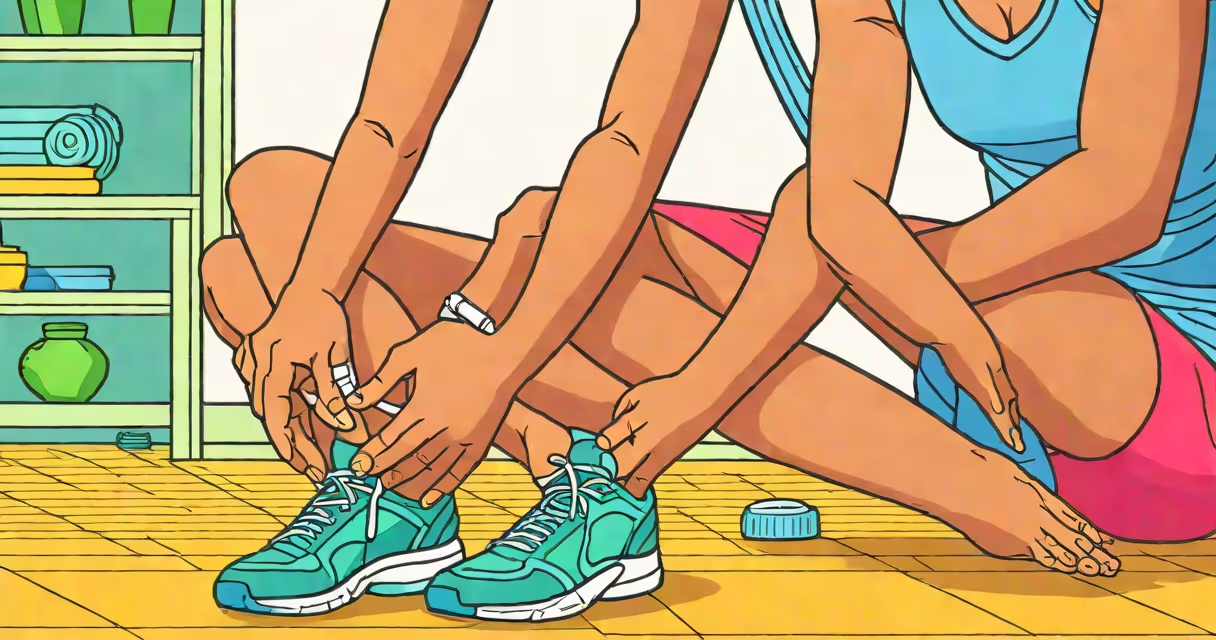
Joints sore after working out typically indicates overuse, improper form, or insufficient recovery. This discomfort often occurs in knees, shoulders, or elbows due to repetitive stress during exercise.
When you exercise, your joints absorb impact and repetitive motion. Over time, this can lead to inflammation and micro-tears in the surrounding tissues. Unlike muscle soreness, which often peaks 24-48 hours post-workout, joint soreness can occur immediately or develop gradually.
Joint pain after exercise generally falls into three categories:
Several factors contribute to joint soreness after working out:
| Cause | Example |
|---|---|
| Overuse | Running long distances without proper rest can strain knee joints. |
| Improper form | Lifting weights with incorrect posture can hurt shoulder joints. |
| Inadequate warm-up | Skipping a warm-up before intense exercise increases joint stress. |
| Pre-existing conditions | Arthritis or previous injuries can exacerbate joint pain during exercise. |
To manage and prevent joint soreness, focus on proper warm-ups, cool-downs, and gradual progression in exercise intensity. Hydration and a balanced diet rich in anti-inflammatory foods can also help. If joint pain persists, consult a healthcare professional to rule out underlying issues.
For example, if you notice your knees are sore after running, try reducing your mileage, incorporating low-impact activities like swimming, and strengthening the muscles around your knees to provide better support., using proper footwear and replacing worn-out shoes can reduce joint stress.
Many people confuse joint soreness with muscle soreness. While both can result from exercise, joint pain is often localized to specific areas like the knees, elbows, or shoulders, whereas muscle soreness is more widespread. Understanding the difference is important for effective recovery.
Another misconception is that joint pain is always a sign of injury. While it can indicate overuse or improper form, it's not always a cause for concern. However, persistent or severe pain should be evaluated by a healthcare provider to ensure there are no underlying issues.