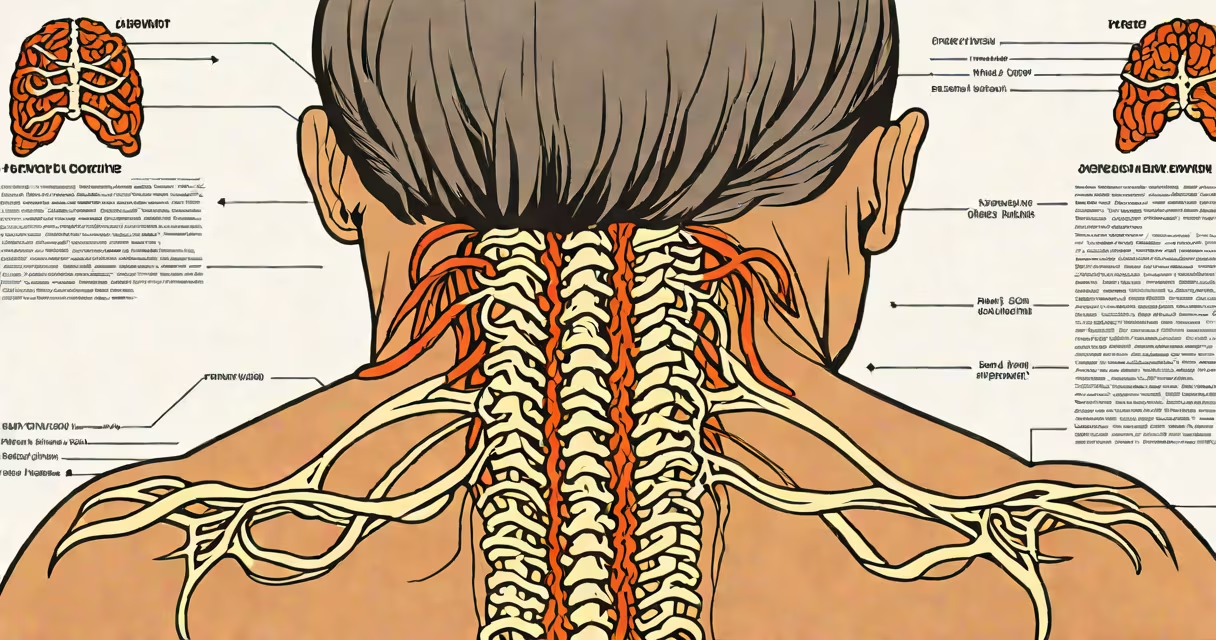
A large knot in the back of your neck is a firm or tender mass caused by muscle tension, swollen lymph nodes, or other conditions. These knots often form due to stress, poor posture, or injury.
Most neck knots develop from sustained muscle tension. When muscles stay contracted too long, they form tight bands called trigger points. These feel like hard lumps under the skin. Poor posture, such as hunching over a computer, strains neck muscles and contributes to knot formation.
Swollen lymph nodes can also create neck lumps. Lymph nodes trap viruses, bacteria, and other invaders. When fighting an infection, they swell and may feel like knots. The back of the neck has several lymph nodes, including the cervical lymph nodes.
| Type | Cause | Location |
|---|---|---|
| Muscle knot | Stress, poor posture, overuse | Upper trapezius, levator scapulae |
| Swollen lymph node | Infection, illness | Along spine, behind ears |
| Cyst or lipoma | Blocked gland, fatty tissue growth | Anywhere on neck |
Stress is the most common cause of muscle knots. When stressed, muscles tense up to protect the body. This tension often concentrates in the upper trapezius and levator scapulae muscles, creating knots. Other causes include:
See a doctor if your neck knot persists longer than two weeks, grows larger, or becomes painful. A persistent knot could indicate an infection, tumor, or other serious condition. Seek immediate medical attention if the knot appears suddenly and you experience fever, headache, or difficulty swallowing.
Doctors diagnose neck knots through physical exams and medical history reviews. They may order imaging tests like X-rays, MRIs, or ultrasounds to determine the cause.
Most muscle knots respond well to home treatments. Gentle massage, heat application, and stretching exercises often relieve tension. Over-the-counter pain relievers can reduce inflammation. For swollen lymph nodes, rest and hydration help the body fight infections.
Physical therapy provides targeted relief for chronic muscle knots. Therapists use techniques like myofascial release and ultrasound therapy. In rare cases, doctors may recommend surgical removal for cysts or lipomas.
I once treated a persistent neck knot with regular stretching and a tennis ball massage. Rolling the ball against my upper trapezius released tension and reduced the knot size within days.
Maintain good posture to prevent muscle knots. Adjust your workstation so your monitor is at eye level and your feet rest flat on the floor. Take frequent breaks to stretch your neck muscles. Stay hydrated and manage stress through exercise, meditation, or other relaxation techniques.