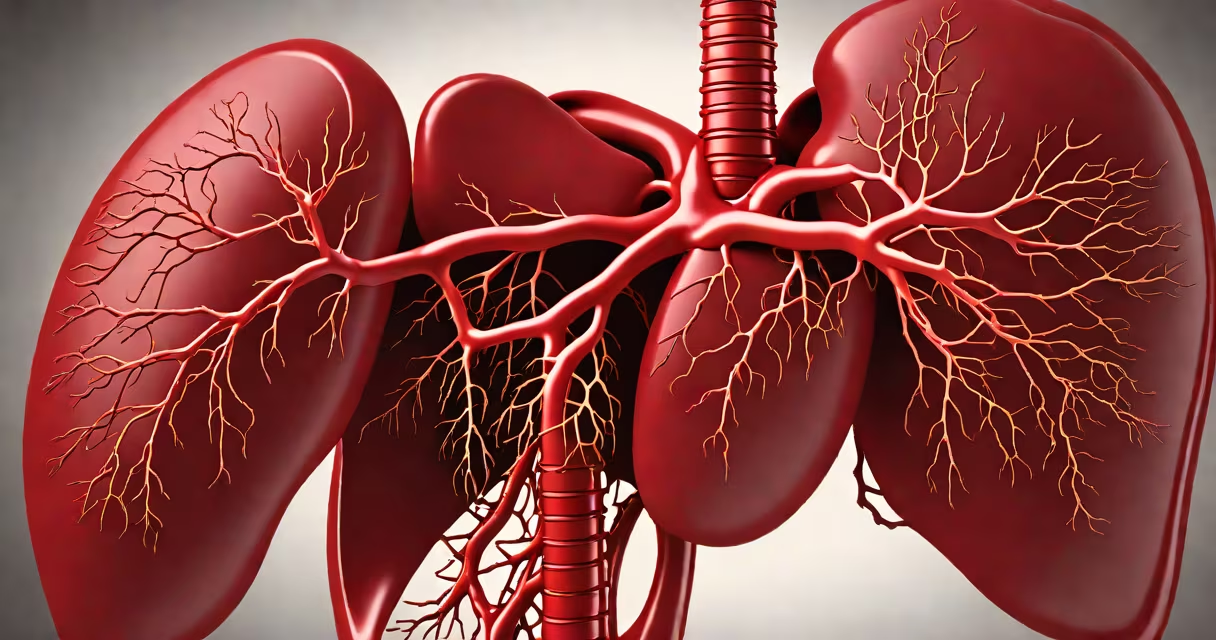
The largest gland in the human body is the liver, a important organ weighing about 3 pounds in adults and performing over 500 essential functions. Located in the upper right portion of the abdomen, protected by the rib cage, the liver processes everything absorbed from the digestive tract.
The liver processes approximately 1.4 liters of blood per minute, filtering out toxins, metabolizing nutrients, and producing bile to aid digestion. Its complex network of capillaries allows it to efficiently remove waste products while retaining useful substances. The liver also stores vitamins, minerals, and glycogen, releasing them as needed to maintain stable blood sugar levels.
The liver performs several critical functions:
Another common mistake is assuming the liver only processes alcohol. While it does break down alcohol, its primary function is to filter and process everything absorbed from the digestive tract, including nutrients, medications, and toxins.
To maintain liver health, focus on a balanced diet rich in fruits, vegetables, whole grains, and lean proteins. Limit alcohol consumption and avoid unnecessary medications. Regular exercise supports liver function by improving blood flow and reducing fat accumulation in the liver.
I once worked with a nutritionist who emphasized the importance of liver health. She recommended foods like leafy greens, berries, nuts, fatty fish, and olive oil to support liver function. She also warned against excessive use of over-the-counter pain relievers, which can strain the liver over time.
The liver's notable ability to regenerate makes it one of the most resilient organs in the body. Even if two-thirds of the liver is removed, the remaining tissue can regrow to its original size within a few weeks. This regenerative capacity is important for recovering from injuries or illnesses that affect the liver.
For more on how the liver interacts with other systems, see how hydrogen impacts the body.