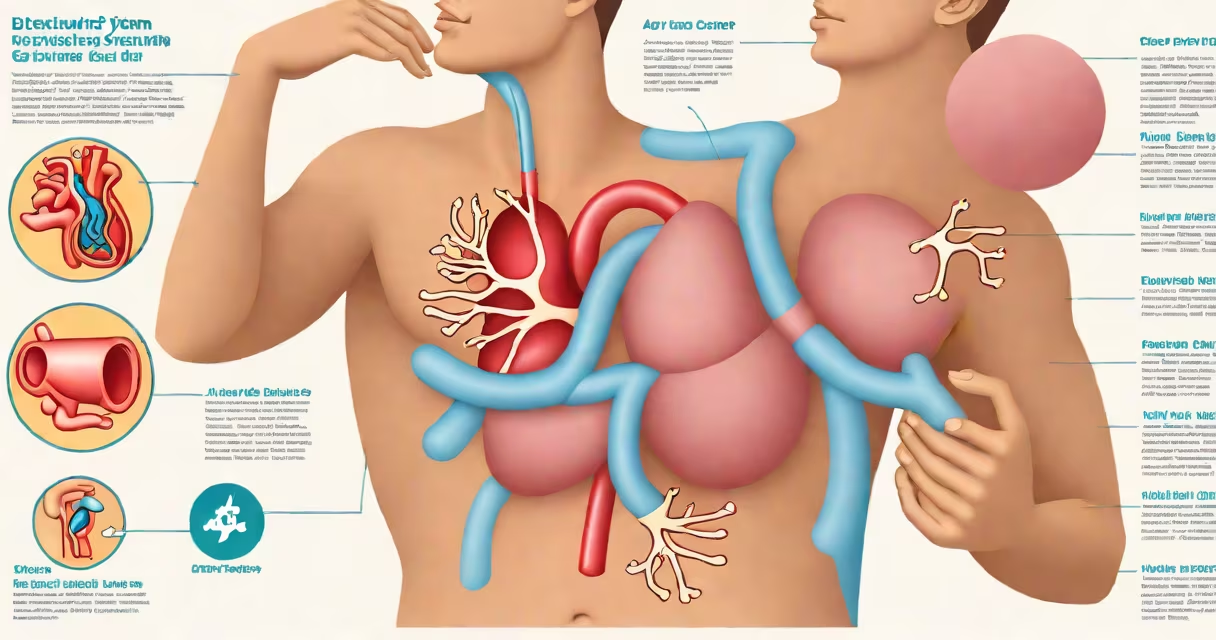
Left side chest pain due to gas happens when trapped air in your digestive tract presses against nerves near your diaphragm, creating sharp or dull discomfort often mistaken for heart problems. This pain typically occurs after eating, lying down, or during physical activity.
When gas builds up in your intestines, especially in the large intestine near your spleen, it can push upward against your diaphragm. The phrenic nerve, which runs from your neck to your diaphragm, can become irritated, causing referred pain in your left chest area. This is similar to how heartburn creates chest pain, though the mechanisms differ.
| Type | Location | Common Triggers |
|---|---|---|
| Trapped gas | Left lower chest | Eating too quickly, carbonated drinks, high-fiber foods |
| Swallowed air | Upper chest | Chewing gum, smoking, drinking through straws |
| Intestinal spasms | Middle to left chest | Stress, food intolerances, overeating |
Gas pain usually feels sharp or stabbing and worsens with movement or pressure. It may also move around as gas shifts through your intestines. Heart-related pain often feels like pressure or squeezing and may radiate to your left arm or jaw. If you experience shortness of breath, sweating, or nausea along with chest pain, seek medical attention immediately.
While gas pain is generally harmless, consult a healthcare provider if:
Doctors can perform tests like an EKG, chest X-ray, or endoscopy to rule out serious conditions.
To alleviate gas-related chest pain, try these evidence-based strategies:
Over-the-counter medications like simethicone (Gas-X) or activated charcoal can also help, but check with your doctor first if you have other medical conditions.
I once experienced severe left-side chest pain after a large Thanksgiving meal. After ruling out heart issues, my doctor confirmed it was gas-related. Walking and lying on my left side provided significant relief within 20 minutes.