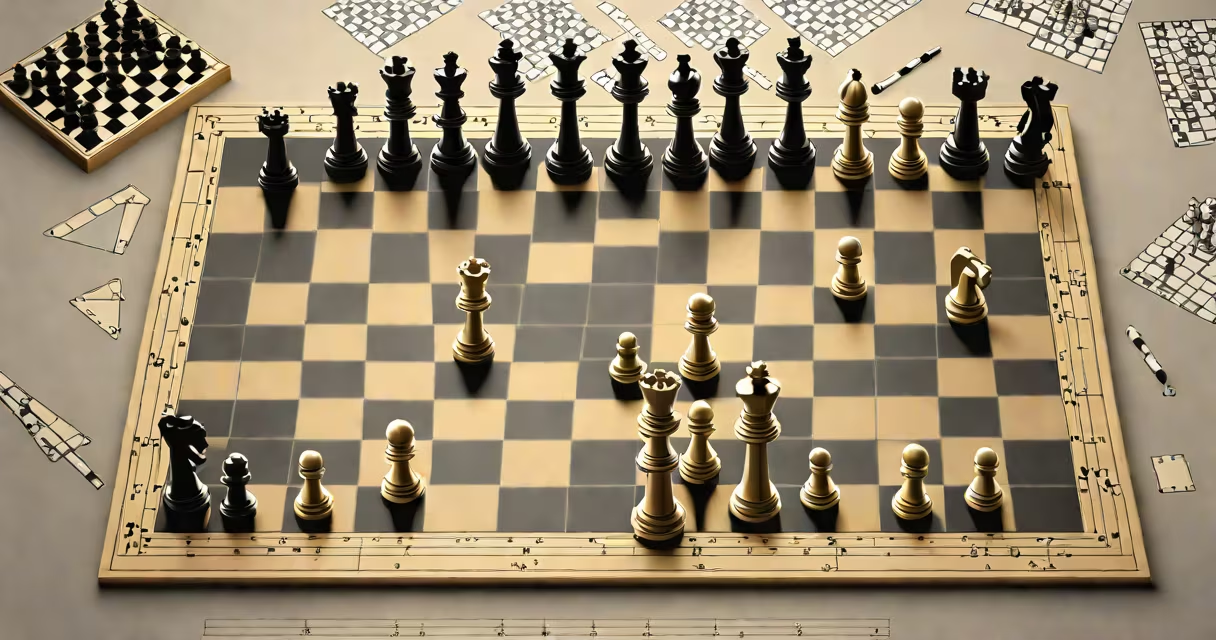
Life is a game is the philosophy that existence operates like a structured challenge with rules, objectives, and strategies to go through. This perspective encourages viewing daily experiences as opportunities for growth rather than random events.
The concept draws parallels between life and games. Just as board games have rules and goals, life presents challenges and rewards. Adopting this mindset shifts focus from passive acceptance to active engagement. For example, treating career setbacks as temporary obstacles in a larger strategy rather than permanent failures.
| Type | Key Focus | Example |
|---|---|---|
| Competitive | Winning against others | Networking to advance career |
| Cooperative | Winning together | Community projects |
| Self-improvement | Beating personal bests | Fitness goals |
Research shows framing life as a game reduces stress and increases motivation. A 2020 study published in the Journal of Positive Psychology found participants who adopted gamified perspectives reported higher life satisfaction. The structure provides clarity amid uncertainty.
Many confuse this philosophy with superficial positivity or denial of hardship. However, it acknowledges difficulties while providing tools to manage them. For instance, someone facing health challenges might view treatment as leveling up their resilience rather than just enduring suffering.
I first encountered this concept during a difficult period. By reframing my struggles as challenges in an ongoing game, I found renewed energy to tackle them systematically. The shift was profound.