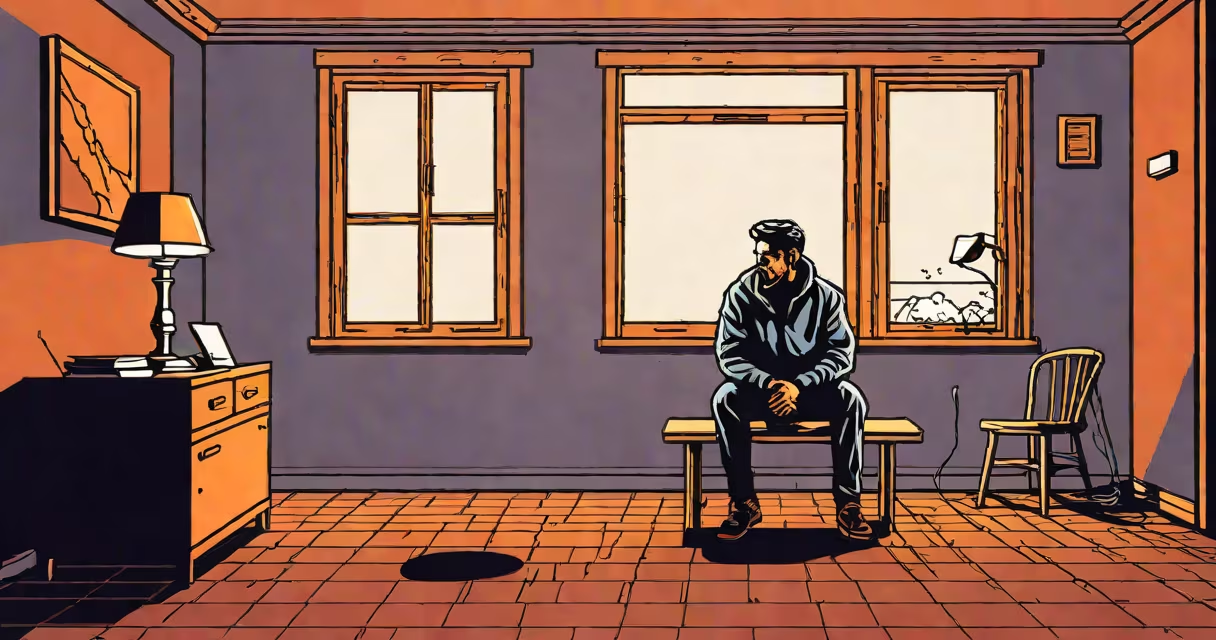
Lost hope is the emotional state of abandoning goals or expectations due to perceived impossibility. It often follows prolonged effort without progress or after significant setbacks.
Hope relies on dopamine-driven motivation systems. When repeated failures deplete dopamine, the brain reduces effort toward unrewarded goals. Studies show chronic stress elevates cortisol, further dampening motivation (American Psychological Association).
For example, a startup founder working 80-hour weeks for years without funding may lose hope in their venture's success. Their brain learns the effort isn't worth the reward, making persistence feel futile.
| Type | Trigger | Duration |
|---|---|---|
| Situational | Short-term setback (e.g., job rejection) | Days to weeks |
| Chronic | Long-term struggle (e.g., untreated depression) | Months to years |
| Existential | Philosophical despair (e.g., "What's the point?") | Variable |
People confuse lost hope with laziness or apathy. However, lost hope stems from learned helplessness-a psychological response to uncontrollable situations (Martin Seligman, Learned Helplessness).
For instance, someone who loses hope in finding love after repeated failed relationships isn't lazy-they've learned their efforts won't succeed.
Research shows reframing goals as learning experiences rather than outcomes can restore hope. Breaking large goals into smaller steps also helps. For example, instead of aiming to "write a novel," focus on "write 500 words daily."
I once lost hope in mastering Spanish after failing proficiency exams twice. Switching to language exchange apps and setting micro-goals (e.g., "hold a 5-minute conversation") reignited my progress.
If lost hope persists for months or disrupts daily life, consult a mental health professional. Chronic hopelessness is linked to depression and anxiety disorders (NIMH).
Therapies like cognitive behavioral therapy (CBT) help reframe negative thought patterns. Support groups also provide community and shared strategies for coping.