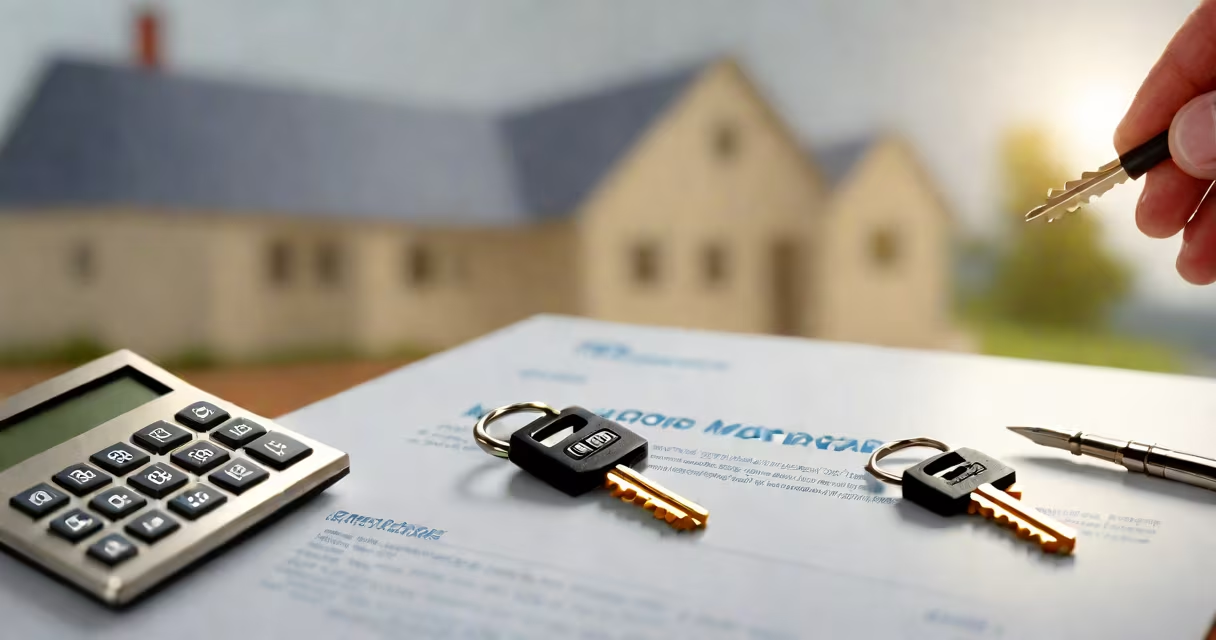
A loss mitigation mortgage refers to strategies lenders use to reduce losses on distressed loans, typically by modifying terms to make payments affordable for struggling borrowers. These programs aim to prevent foreclosure while minimizing financial damage to both parties.
When a borrower faces financial hardship and falls behind on mortgage payments, lenders may offer loss mitigation options to bring the loan current without foreclosing. Common solutions include loan modifications, forbearance agreements, or short sales. The goal is to create sustainable repayment terms that align with the borrower's current income.
| Type | Description | Example |
|---|---|---|
| Loan Modification | Permanently changes loan terms, such as lowering the interest rate or extending the repayment period. | A 30-year mortgage reduced to 2.5% interest for five years, then adjusted to market rates. |
| Forbearance | Temporarily suspends or reduces payments for a set period, with a plan to repay missed amounts later. | A six-month pause on payments, followed by a repayment plan over the next 12 months. |
| Short Sale | Allows the borrower to sell the property for less than the outstanding loan balance, releasing them from the debt. | A home sold for $200,000 when the remaining mortgage balance is $250,000. |
Many borrowers confuse loss mitigation with debt forgiveness or refinancing. Unlike refinancing, which involves obtaining a new loan, loss mitigation modifies the existing loan terms. Debt forgiveness, where the lender cancels part of the debt, is rare and typically only occurs in extreme cases.
Another misconception is that loss mitigation is only available for government-backed loans, such as FHA or VA mortgages. While these loans often have specific loss mitigation programs, conventional loans also qualify for similar relief options.
During the 2008 financial crisis, many homeowners faced unemployment or reduced income, leading to widespread mortgage defaults. Lenders introduced loss mitigation programs to help borrowers stay in their homes. For instance, a borrower with a $300,000 mortgage at 6% interest might have their rate temporarily reduced to 3% for three years, followed by a gradual increase. This adjustment made the monthly payment more manageable, preventing foreclosure.
According to the Consumer Financial Protection Bureau, loss mitigation programs helped over 4 million homeowners avoid foreclosure between 2009 and 2021. These programs remain a critical tool for lenders and borrowers facing financial difficulties.
Borrowers should explore loss mitigation options as soon as they anticipate missing mortgage payments. Early communication with the lender increases the likelihood of securing favorable terms. Lenders prefer working with borrowers to find solutions rather than proceeding with foreclosure, which is costly and time-consuming.
Loss mitigation mortgage programs provide a lifeline for homeowners facing financial hardship, offering structured solutions to avoid foreclosure while protecting lenders from significant losses.