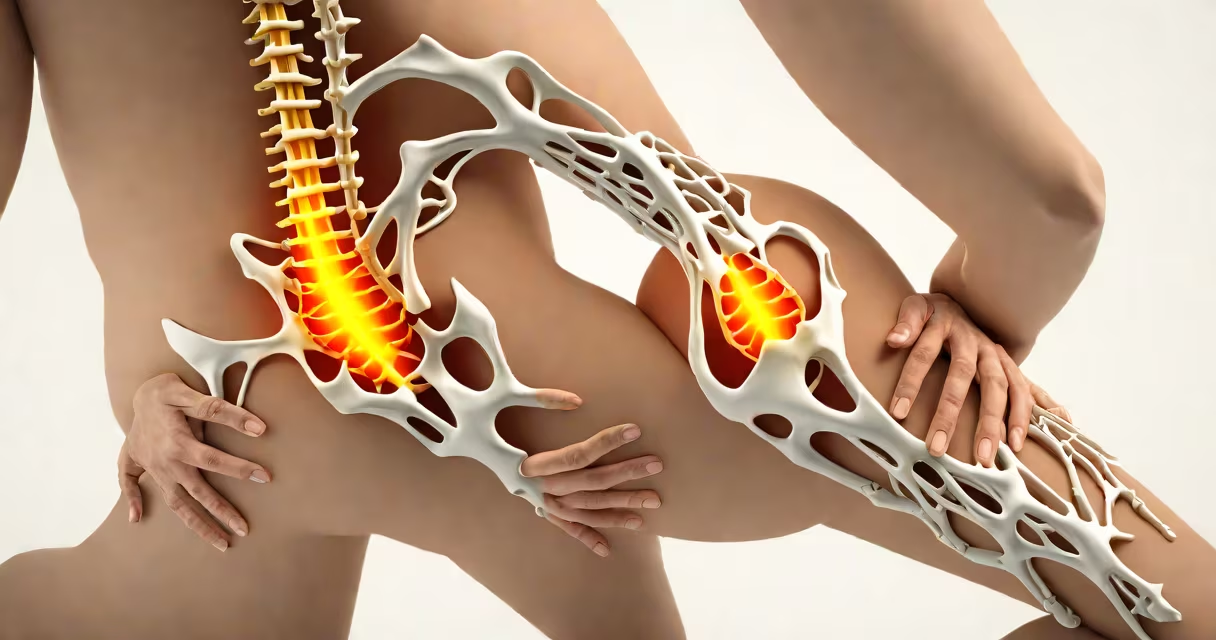
Low back pain and pain in both legs typically results from nerve compression in the lower spine, often due to conditions like sciatica or spinal stenosis. This pain pattern requires medical evaluation to determine the underlying cause.
The lower spine (lumbar region) contains nerve roots that extend into the legs. When these nerves are compressed or irritated, pain can radiate from the lower back down one or both legs. The most common cause is a herniated disc, which puts pressure on nearby nerves. Other causes include spinal stenosis, degenerative disc disease, and spondylolisthesis.
The primary conditions associated with low back pain and bilateral leg pain include:
| Condition | Cause | Common Symptoms |
|---|---|---|
| Sciatica | Compression of the sciatic nerve | Sharp pain radiating from lower back to buttocks and legs |
| Spinal Stenosis | Narrowing of the spinal canal | Numbness, weakness, and cramping in legs |
| Herniated Disc | Disc material presses on nerve roots | Localized pain, tingling, and muscle weakness |
According to the American Academy of Orthopaedic Surgeons, sciatica affects about 10% of the population, with symptoms often worsening with prolonged sitting or standing.
Diagnosis begins with a physical exam and medical history. Imaging tests like MRI or CT scans may be used to identify nerve compression. Treatment options range from conservative measures like physical therapy and pain medication to surgical interventions such as discectomy or laminectomy.
For example, a patient with sciatica might start with anti-inflammatory medications and targeted exercises to relieve pressure on the sciatic nerve. If symptoms persist, epidural steroid injections or surgery may be recommended.
Many people assume that low back pain and leg pain are always caused by muscle strain or arthritis. However, nerve compression is a frequent underlying factor. Another misconception is that surgery is always necessary, but most cases improve with non-invasive treatments.
I once treated a patient who initially thought their leg pain was due to overexertion. After an MRI revealed a herniated disc, targeted physical therapy resolved their symptoms within weeks.
Seek medical attention if leg pain lasts longer than a few weeks, worsens at night, or is accompanied by numbness, weakness, or loss of bladder control. These symptoms may indicate a serious condition requiring immediate treatment.