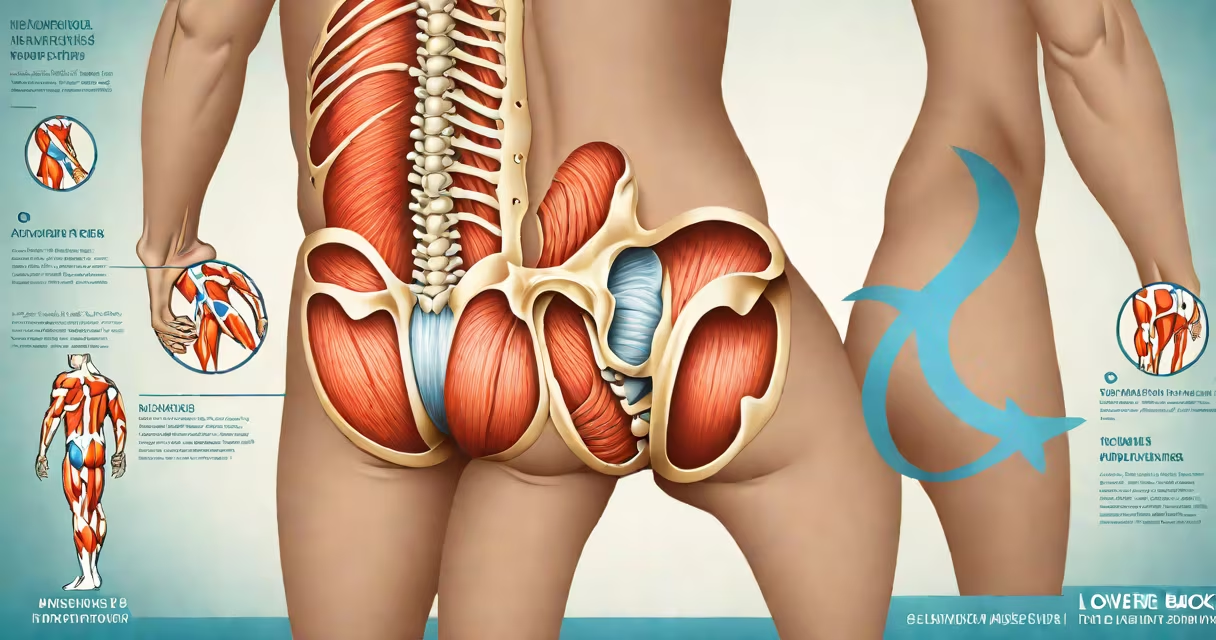
Lower back hip muscle strain is an injury to the muscles connecting your lower back and hips, often causing sharp pain and limited movement. This condition typically results from overuse, sudden movements, or poor posture.
This strain occurs when the muscles supporting your lower back and hips are stretched beyond their limits or torn. Common causes include lifting heavy objects improperly, sudden twisting motions, or prolonged sitting with poor posture. Athletes, especially runners and weightlifters, are prone to this injury due to repetitive stress on these muscles.
The primary muscles involved are the quadratus lumborum (deep core muscle) and the gluteus medius (side hip muscle). Other supporting muscles, like the iliopsoas (hip flexor) and erector spinae (lower back stabilizers), may also be strained.
| Muscle Group | Function | Common Strain Location |
|---|---|---|
| Quadratus Lumborum | Stabilizes the spine during movement | Deep lower back, near the hip |
| Gluteus Medius | Supports hip rotation and stability | Upper outer thigh and hip |
| Iliopsoas | Flexes the hip joint | Front of the hip and lower abdomen |
| Erector Spinae | Extends and rotates the spine | Lower back, along the spine |
Symptoms include sharp pain in the lower back or hip, stiffness, bruising, or muscle spasms. The pain may worsen with movement or pressure. A doctor diagnoses this condition through physical exams, checking for tenderness, limited range of motion, or muscle weakness. Imaging tests like MRIs or X-rays may be used to rule out other injuries.
Treatment focuses on reducing pain and inflammation. Initial steps include rest, ice, compression, and elevation (RICE method). Over-the-counter pain relievers like ibuprofen or naproxen can help. Physical therapy exercises, such as gentle stretches and strengthening routines, aid recovery. In severe cases, corticosteroid injections may be needed.
Most strains heal within a few weeks with proper care. However, chronic strains may require long-term management, including regular exercise and posture correction. For persistent issues, consult a healthcare provider for personalized treatment options.