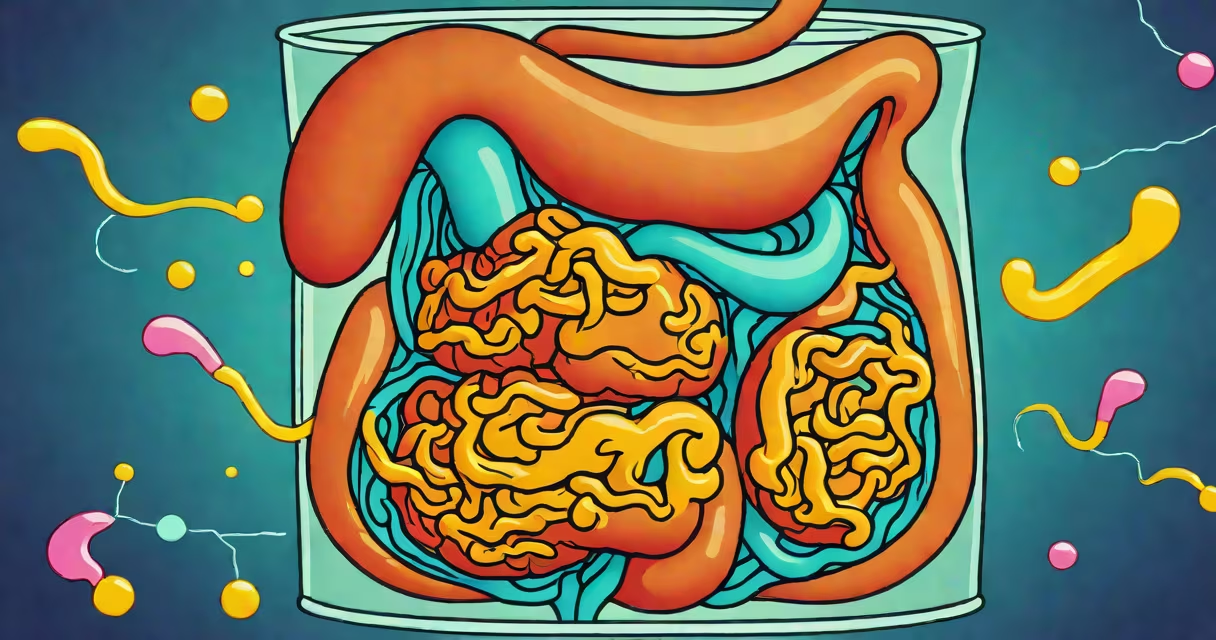
Lower bowel gas refers to gas trapped in the colon or large intestine, often causing discomfort, bloating, or flatulence. This occurs when bacteria in the gut ferment undigested food, producing gases like hydrogen, carbon dioxide, and methane.
How It Works
The digestive process produces gas naturally. When food reaches the lower bowel, bacteria break down remaining nutrients, releasing gas as a byproduct. Most of this gas is expelled through burping or flatulence, but some remains trapped, causing bloating or discomfort.
Main Types and Causes
Lower bowel gas can result from various factors:
Dietary triggers: Foods high in fiber, such as beans, broccoli, and whole grains, or those containing raffinose (like cabbage and Brussels sprouts).
Swallowed air: Eating too quickly, chewing gum, or drinking carbonated beverages can introduce excess air into the digestive system.
Digestive disorders: Conditions like irritable bowel syndrome (IBS) or small intestinal bacterial overgrowth (SIBO) can increase gas production.
Common Symptoms
Symptoms of lower bowel gas include:
Bloating or a feeling of fullness in the abdomen.
Pain or cramping, often relieved by passing gas.
Frequent flatulence.
Visible swelling of the abdomen.
When to Seek Medical Advice
Most cases of lower bowel gas are normal and not a cause for concern. However, consult a healthcare provider if you experience:
Severe or persistent pain.
Blood in stools.
Unexplained weight loss.
Changes in bowel habits lasting more than a few days.
Relief and Prevention
To reduce lower bowel gas, try these strategies:
Dietary adjustments: Identify and avoid trigger foods. Keep a food diary to track which foods cause symptoms.
Eat slowly: Avoid swallowing excess air by eating mindfully and avoiding chewing gum.
Exercise: Physical activity can help move gas through the digestive system more efficiently.
Over-the-counter remedies: Products like simethicone or activated charcoal may help reduce gas.