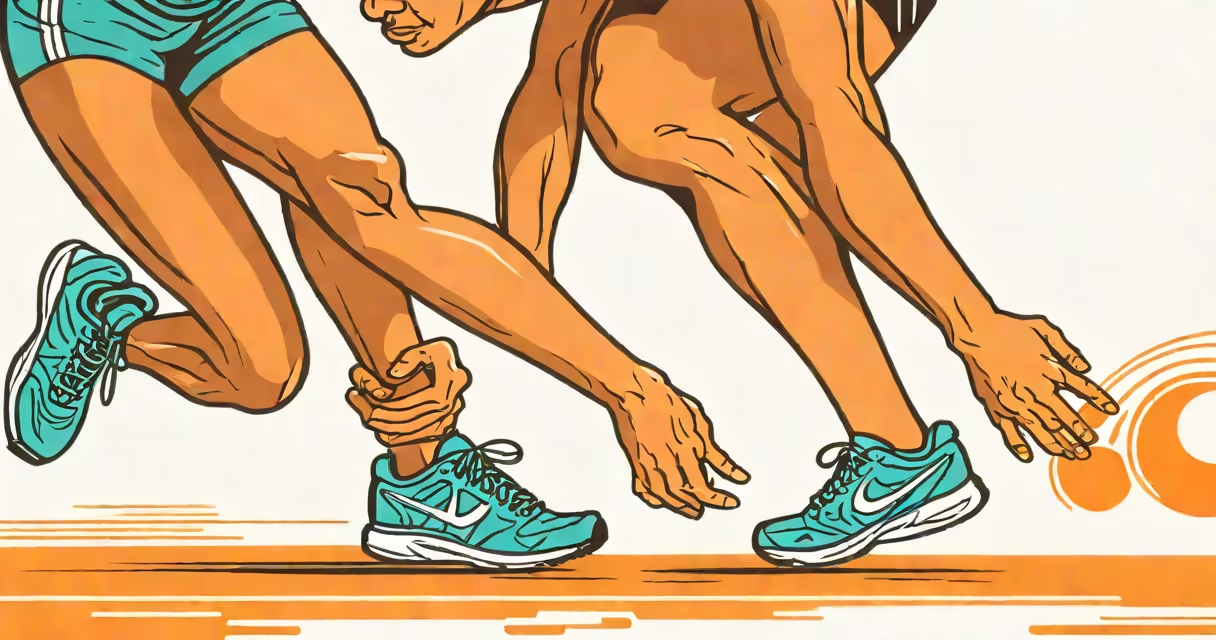
Lower leg soreness after running typically results from overuse, muscle imbalances, or biomechanical issues. This discomfort often affects the calves, shins, or Achilles tendons.
Several factors contribute to lower leg pain during or after running:
| Condition | Location | Description |
|---|---|---|
| Shin splints | Front of lower leg | Inflammation of muscles or tendons along the shinbone (tibia) |
| Calf strain | Back of lower leg | Tearing or overstretching of calf muscles (gastrocnemius or soleus) |
| Achilles tendinitis | Back of ankle | Inflammation of the Achilles tendon connecting calf muscles to the heel |
Consult a healthcare professional if pain persists beyond two weeks of rest, worsens during activity, or occurs with swelling, redness, or warmth. These symptoms may indicate stress fractures or other serious conditions.
Most cases resolve with rest, ice, compression, and elevation (RICE). Gradually resume running after pain subsides. Strengthening exercises for calves, shins, and hips help prevent recurrence. Proper warm-ups and cool-downs also reduce risk.
For persistent issues, consider a gait analysis or physical therapy. Replacing worn-out shoes every 300-500 miles ensures adequate support. Cross-training with low-impact activities like swimming or cycling maintains fitness while reducing lower leg stress.
One runner I coached reduced lower leg pain by 80% by switching from heel striking to a midfoot strike pattern. The change decreased impact forces on his shins and calves.
Lower leg pain after running often signals overuse or form issues. Addressing these factors through proper training, footwear, and strengthening exercises typically resolves discomfort. For severe or persistent pain, consult a medical professional to rule out serious injuries.