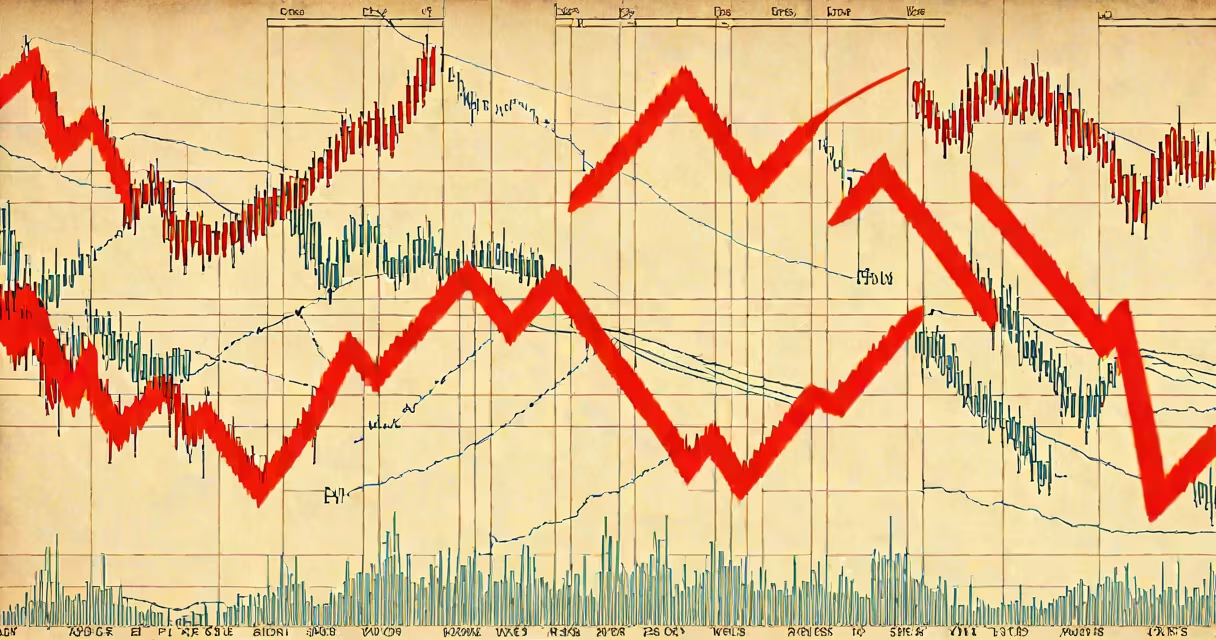
A short in the share market is a trade where an investor borrows shares to sell them, hoping to buy them back later at a lower price and return them to the lender. This strategy profits from falling stock prices.
Short selling involves four key steps:
The difference between the sale price and the buyback price is the investor's profit, minus fees and interest paid to the lender.
| Type | Description | Example |
|---|---|---|
| Naked Short | Selling shares without first borrowing them or verifying their availability. | An investor sells 100 shares of Company X without ensuring they can be borrowed, hoping the price will drop before the sale is settled. |
| Covered Short | td>Selling shares that have been pre-borrowed and are available for delivery.An investor borrows 100 shares of Company Y from their broker and sells them, intending to buy them back later at a lower price. |
Investors use short selling to:
For example, in early 2020, some investors short sold airline stocks due to the anticipated impact of the COVID-19 pandemic on travel.
Many people confuse short selling with simply betting against a company. However, short selling is a complex strategy that involves borrowing shares and precise timing. Unlike buying low and selling high, short sellers aim to sell high and buy low.
Another misconception is that short selling is always risky for the market. While it can contribute to volatility, it also provides liquidity and helps discover the true value of stocks.
Short selling carries significant risks, including unlimited loss potential. If the stock price rises instead of falling, the short seller must buy back the shares at a higher price, leading to losses., short sellers must pay fees and interest on the borrowed shares, which can eat into profits.
For instance, in January 2021, short sellers of GameStop stock faced massive losses as the stock price surged due to a coordinated effort by retail investors on the Reddit forum WallStreetBets.
Short selling is a strategy used in the share market to profit from declining stock prices. It involves borrowing shares, selling them, and buying them back at a lower price. While it carries risks, it also offers opportunities for investors to hedge their positions and speculate on market trends. Understanding the mechanics and risks of short selling is important for anyone involved in stock trading.