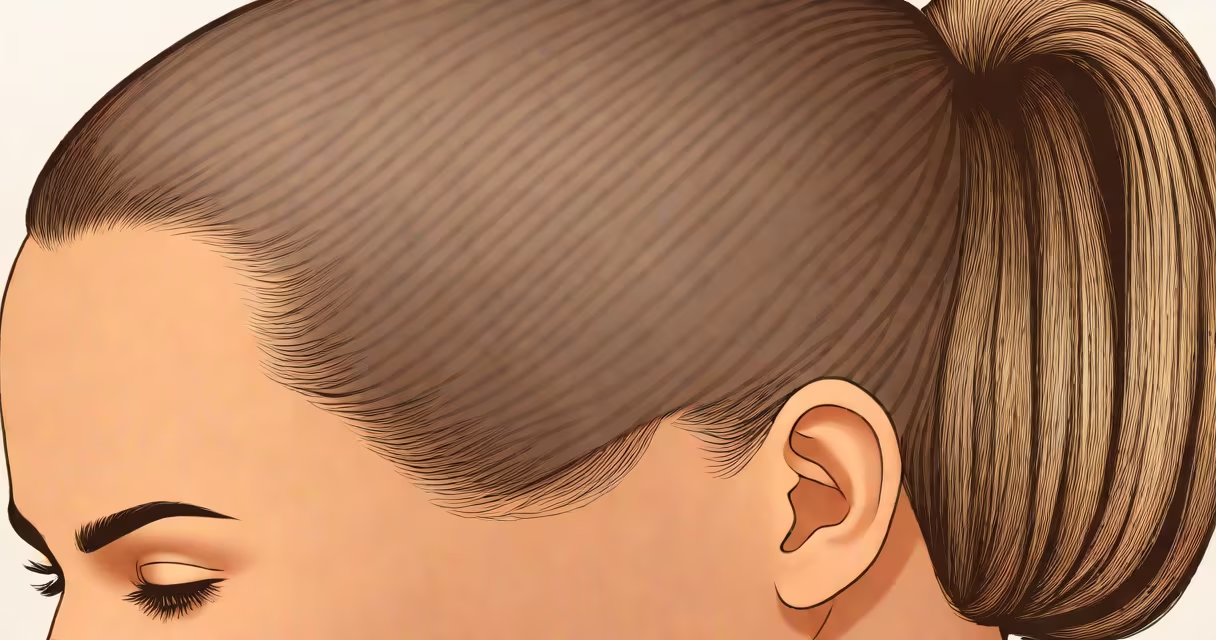
Medical reasons for hair loss in women involve hormonal imbalances, thyroid disorders, and autoimmune conditions that disrupt hair growth cycles. Unlike men, who typically experience male pattern baldness, women often face diffuse thinning across the scalp.
While men usually develop receding hairlines and bald spots, women tend to notice thinning. This difference occurs because female hair loss often stems from medical conditions rather than genetic predisposition. According to the American Academy of Dermatology, about 30 million women in the U.S. experience hair loss.
The most common medical reasons for hair loss in women fall into four categories:
Hormones play a important role in hair growth. For example, during pregnancy, increased estrogen levels prolong the hair growth phase. After childbirth, hormone levels drop, causing many women to experience postpartum hair loss. Similarly, menopause can lead to thinning hair due to lower estrogen levels.
Polycystic ovary syndrome (PCOS) is another common hormonal disorder linked to hair loss. Women with PCOS often produce higher levels of androgens, which can shrink hair follicles and cause thinning. A study published in the Journal of Clinical and Aesthetic Dermatology found that 62% of women with PCOS experienced hair loss.
The thyroid gland produces hormones that regulate metabolism, including hair growth. Hypothyroidism slows hair growth, while hyperthyroidism can cause excessive shedding. Women are five to eight times more likely to develop thyroid disorders than men, according to the American Thyroid Association.
Treatment for thyroid disorders often involves medication to balance hormone levels. Once hormone levels stabilize, hair typically regrows within six months.
Alopecia areata is an autoimmune condition where the immune system attacks hair follicles, causing patchy hair loss. This condition affects about 2% of the population, with women and men equally likely to develop it. While the exact cause is unknown, genetics and environmental factors play a role.
Treatment options include corticosteroids, topical immunotherapy, and JAK inhibitors. In some cases, hair regrowth occurs without treatment.
Other medical conditions that can cause hair loss in women include:
If you notice sudden or excessive hair loss, consult a healthcare provider. A dermatologist can diagnose the underlying cause and recommend appropriate treatment. Early intervention improves the chances of regrowth.