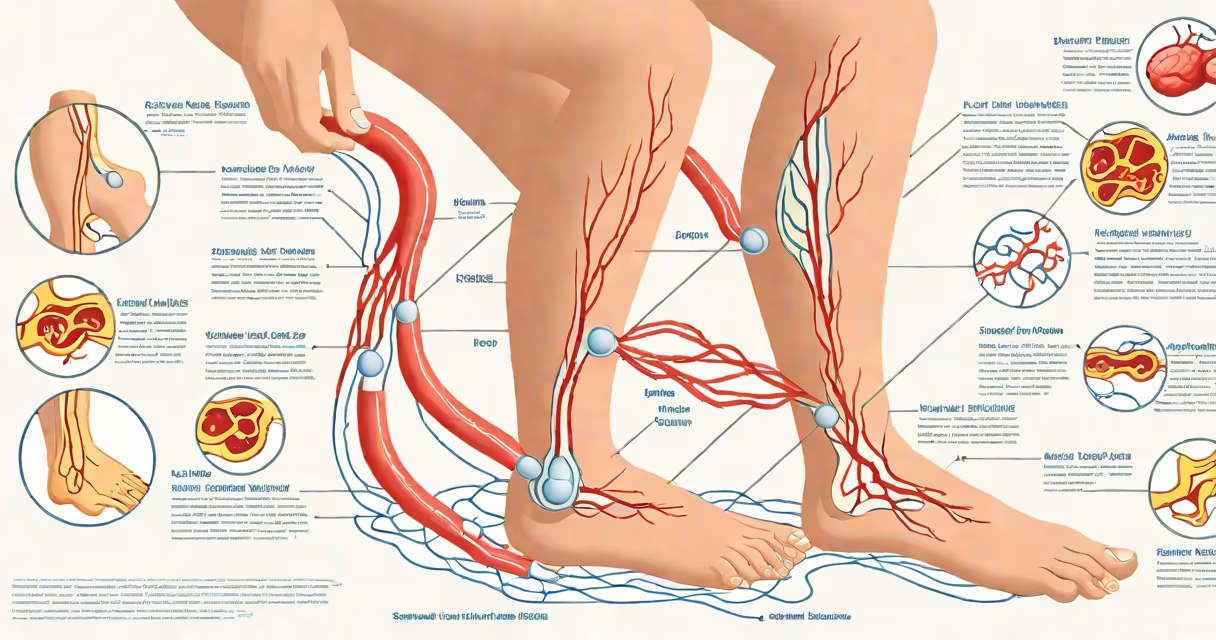
Menstrual cycle pain in leg occurs when cramping discomfort spreads from the uterus to the thighs or calves during your period. This happens because shared nerve pathways carry pain signals from pelvic organs to legs.
During menstruation, the uterus contracts to shed its lining. These contractions can press on nearby nerves that share pathways with leg nerves. The brain sometimes misinterprets this pelvic pain as coming from the legs-a phenomenon called "referred pain."
Menstrual leg pain typically falls into two categories:
Several factors worsen menstrual leg pain:
For mild cases, over-the-counter pain relievers like ibuprofen or naproxen can help. Heat therapy applied to both the lower abdomen and legs may provide relief. Gentle stretching exercises targeting the hips and thighs can also alleviate discomfort.
More severe or persistent cases may require medical treatment. Birth control pills regulate hormonal fluctuations that cause cramping. For endometriosis-related pain, prescription medications or surgical options might be necessary.
Consult a healthcare provider if menstrual leg pain:
According to the American College of Obstetricians and Gynecologists, about 20% of women experience painful periods severe enough to impact their daily lives. While some discomfort is normal, extreme pain warrants medical evaluation.
I first noticed this pattern while working with a physical therapist specializing in pelvic health. Many patients reported leg pain during their periods, which improved after addressing their pelvic muscle tension through targeted exercises.
Regular exercise, particularly activities that strengthen core muscles, can help prevent menstrual leg pain. Maintaining a balanced diet rich in anti-inflammatory foods may also reduce severity. Staying hydrated and managing stress levels are additional preventive measures.