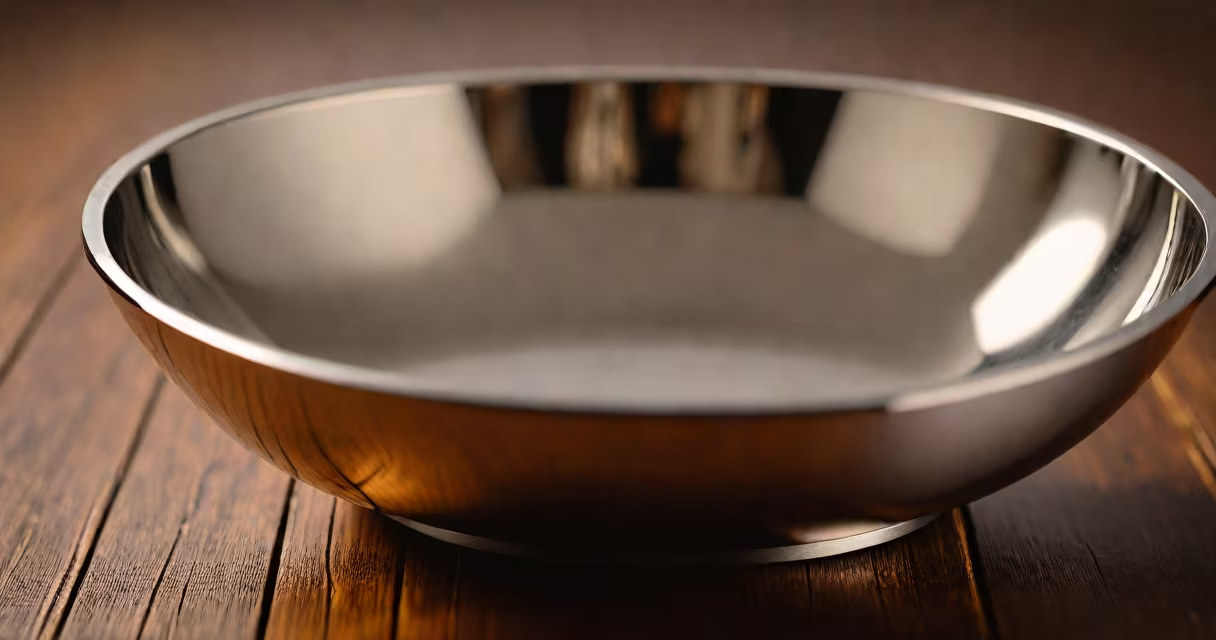
A metal sound bowl is a shallow, hemispherical bowl made of metal that produces resonant tones when struck or rubbed with a mallet. These bowls are used for meditation, relaxation, and sound therapy.
Metal sound bowls create sound through vibration. When struck or rubbed, the bowl's metal generates sustained harmonic tones. The frequency and duration depend on the bowl's size, material, and striking technique.
The vibrations travel through the air and the body, promoting relaxation. Larger bowls produce lower frequencies, while smaller ones yield higher pitches. A well-made bowl sustains its tone for several minutes.
| Type | Material | Primary Use |
|---|---|---|
| Tibetan Singing Bowls | Bronze (7 metals) | Meditation, healing |
| Crystal Singing Bowls | Quartz crystal | Sound therapy, chakra balancing |
| Planetary Chakra Bowls | 9 different metals | Astrological healing |
Most metal sound bowls are made of a bronze alloy containing copper, tin, zinc, iron, silver, gold, and meteorite. This combination creates rich harmonics and prolonged sustain. Some modern bowls use crystal or other materials, but traditional metal bowls remain popular for their deep, resonant tones.
Metal sound bowls are primarily used for meditation and relaxation. Their soothing tones help reduce stress and anxiety. They are also used in sound baths, where participants lie down while the bowls are played around them.
In therapeutic settings, metal sound bowls help with pain management and emotional release. Their vibrations can stimulate the body's natural healing processes. Some people use them for yoga or mindfulness practices to improve focus and awareness.
Many people confuse metal sound bowls with gongs or regular bowls. While all produce sound, metal sound bowls create sustained harmonic tones, whereas gongs produce sharp, short sounds. Regular bowls do not produce the same resonant frequencies.
Another misconception is that all metal sound bowls are the same. In reality, they vary widely in size, material, and sound quality. Some are better suited for meditation, while others are ideal for therapeutic sound baths.
When selecting a metal sound bowl, consider its size, material, and intended use. Larger bowls produce deeper tones, while smaller ones yield higher pitches. For meditation, a medium-sized bowl with a balanced tone is often best. For sound therapy, a set of bowls with varying sizes and tones can create a fuller sound experience.
I recommend trying out different bowls before purchasing. Each one has a unique sound, and personal preference plays a significant role in choosing the right one. Many retailers offer trial periods or demo videos to help you make an informed decision.
To maintain your metal sound bowl, clean it regularly with a soft cloth. Avoid using harsh chemicals or abrasive materials, as they can damage the bowl's finish. Store it in a protective bag or case to prevent scratches and dents.
When not in use, keep the bowl in a dry place to prevent rust or corrosion. If the bowl becomes tarnished, use a specialized metal polish designed for musical instruments. Proper care ensures the bowl retains its beautiful sound and appearance for years.
A metal sound bowl is a versatile tool for meditation, relaxation, and sound therapy. Its resonant tones promote well-being and improve mindfulness practices. Whether used for personal relaxation or professional therapy, a well-chosen metal sound bowl can be a valuable addition to your wellness routine.