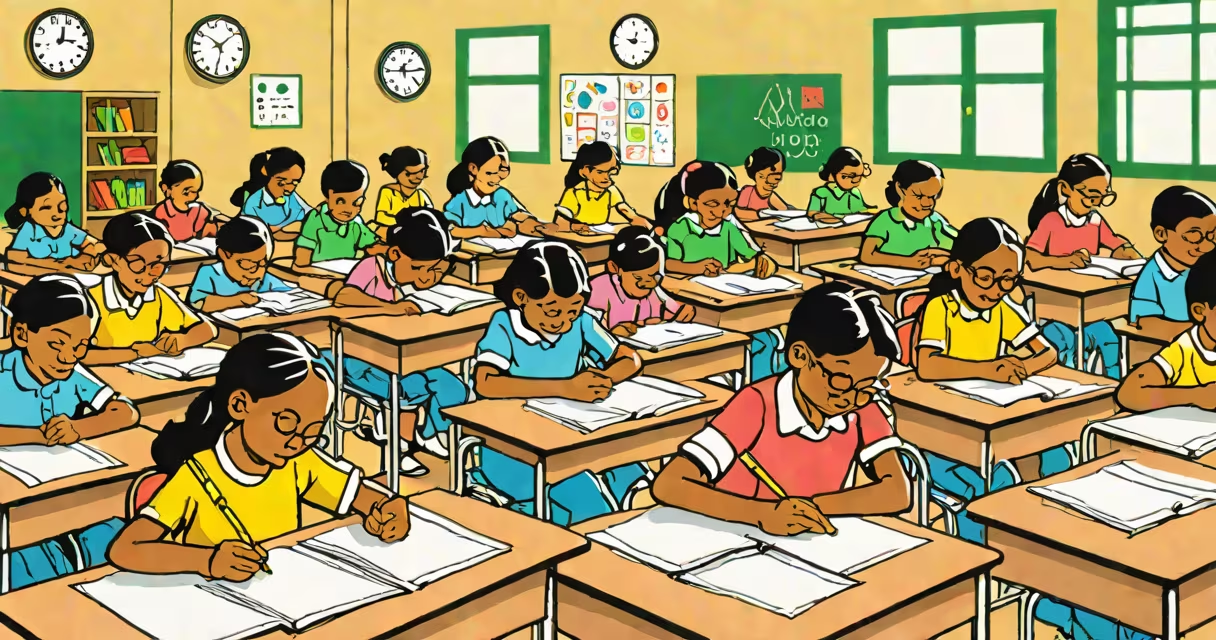
Ministry of education primary resources are free, government-developed teaching materials aligned to national curricula. These include lesson plans, worksheets, and assessments for kindergarten through grade 6.
Most countries' education ministries publish these resources online. For example, the UK Department for Education provides primary resources through its website. The U.S. has similar programs through state departments of education.
These resources support teachers in delivering standardized instruction. They often include:
| Resource Type | Examples | Typical Use |
|---|---|---|
| Lesson Plans | Daily math exercises, reading comprehension passages | Classroom instruction |
| Worksheets | Math drills, grammar exercises | Homework or in-class practice |
| Assessments | Unit tests, end-of-year exams | Progress tracking |
| Digital Tools | Interactive games, educational apps | Supplementary learning |
Many assume these resources replace textbooks entirely. In reality, they supplement existing materials. Teachers often combine them with commercial textbooks and open educational resources.
A 2022 study by the National Center for Education Statistics found that 68% of U.S. elementary teachers use ministry-provided materials alongside other resources.
Most countries make these resources available through their education department websites. For instance, Canada's Government of Canada site offers province-specific materials.
Teachers can download materials directly. Some ministries also offer training on how to use these resources effectively.
When I taught third grade in Australia, I regularly used resources from the Victorian Department of Education. Their math worksheets were particularly useful for differentiation - I could assign different versions to students based on their skill levels.
One standout resource was their interactive fractions tool. It helped students visualize concepts like equivalent fractions through drag-and-drop activities. This hands-on approach improved comprehension compared to traditional textbook exercises.
Both types of resources serve similar purposes but have different origins and licensing terms. Many teachers use both in combination to create complete lesson plans.