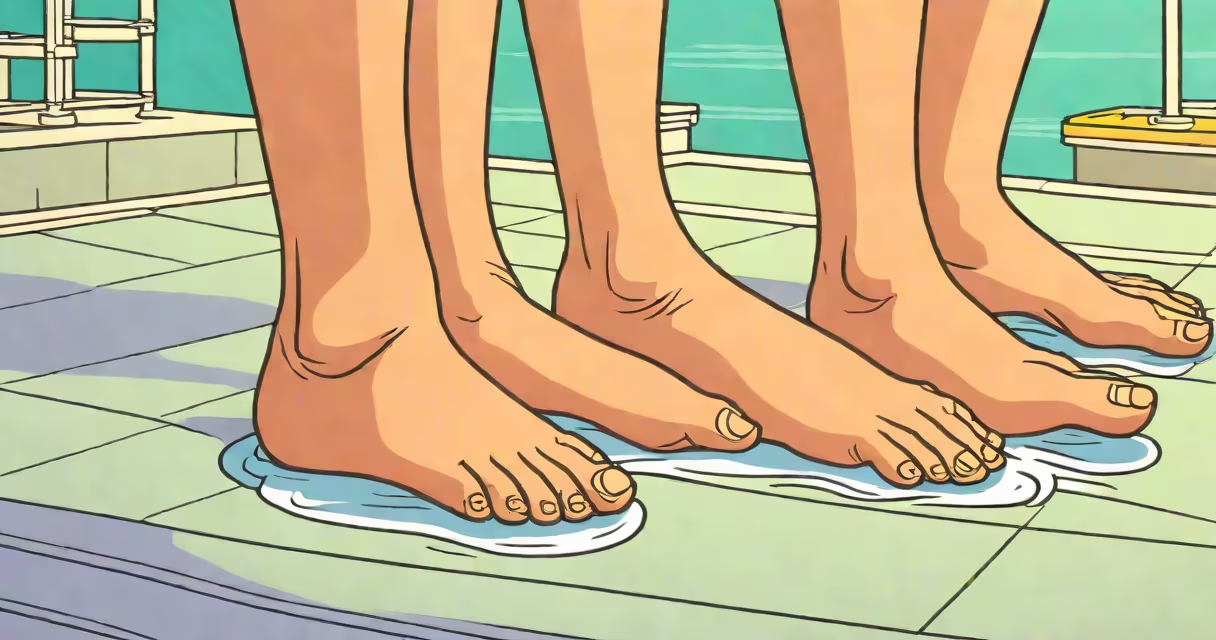
When your body swells, it's usually due to fluid buildup in tissues, often called edema. This happens when tiny blood vessels leak fluid into surrounding tissues. Swelling can occur anywhere, including legs, feet, hands, and face.
Your body normally maintains fluid balance through blood vessels and lymphatic systems. When this balance is disrupted, fluids leak into surrounding tissues, causing swelling. Common triggers include injury, inflammation, or poor circulation.
| Type | Common Causes | Duration |
|---|---|---|
| Edema | Heart failure, kidney disease, or liver disease | Long-term |
| Angioedema | Allergic reactions or medications | Hours to days |
| Lymphedema | Blocked lymphatic system | Long-term |
Swelling often occurs in extremities like legs and feet due to gravity pulling fluids downward. It can also happen in the face or hands after an allergic reaction. Chronic swelling may indicate underlying health issues like heart or kidney problems.
A common misconception is that swelling is always painful. While some swelling is painful, like a sprained ankle, other types, such as mild edema, may not cause discomfort. Swelling can also be mistaken for weight gain, but unlike fat, edema-related swelling often changes with movement or pressure.
People often confuse swelling with muscle soreness or bruising. However, swelling typically involves visible puffiness and may feel tight or tender. Muscle soreness usually involves pain without visible changes, while bruises show discoloration without puffiness.
Last summer, I noticed my ankles swelling after long hikes. At first, I thought it was just fatigue, but the swelling persisted. After visiting a doctor, I learned it was due to mild edema caused by prolonged standing. The solution? Elevating my legs and wearing compression socks helped reduce the swelling.
If you're experiencing unexplained swelling, consult a healthcare professional. They can determine whether it's a temporary issue or a sign of a more serious condition. For instance, if swelling is accompanied by shortness of breath or chest pain, seek immediate medical attention.
Understanding the different quadrants of the body can also help identify where swelling occurs and why. This knowledge can be important in diagnosing the underlying cause.