Knee pain localized to your left side often results from overuse, injury, or underlying conditions like arthritis. Acute pain appears suddenly after trauma, while chronic pain develops gradually over weeks or months.
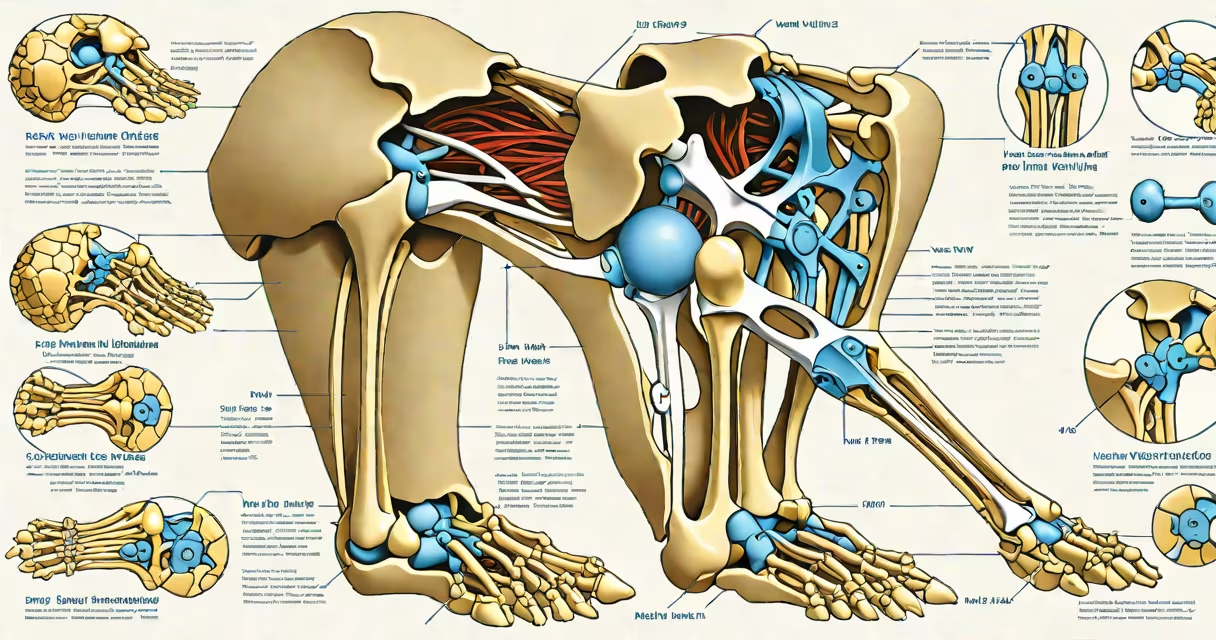
The knee connects your thigh bone (femur) to your shinbone (tibia) via ligaments, cartilage, and tendons. The kneecap (patella) protects the front of the joint. Damage to any component can cause pain.
Most cases fall into these categories:
| Type | Common Causes | Key Symptoms |
|---|---|---|
| Acute Injury | Sprains, fractures, or torn ligaments (like the ACL) | Sudden sharp pain, swelling, instability |
| Overuse | Repetitive motion (running, jumping) or poor form | Dull ache, stiffness, tenderness |
| Medical Conditions | Arthritis, gout, or Baker's cyst | Chronic pain, redness, limited mobility |
Schedule an appointment if pain persists beyond two weeks, limits daily activities, or occurs with swelling, redness, or warmth. A doctor may recommend imaging tests or refer you to a specialist.
Many people assume knee pain always signals arthritis. While arthritis is common, other causes-like a meniscus tear or patellofemoral pain syndrome-are more likely in younger adults. A 2022 study in Journal of Orthopaedic & Sports Physical Therapy found that 60% of non-arthritic knee pain cases stemmed from overuse or biomechanical issues.
I once ignored persistent left knee pain for months, assuming it was minor. After visiting a sports medicine specialist, I learned I had a partial meniscus tear from improper running form. Physical therapy resolved the issue within three months.
Strengthen muscles around the knee (quadriceps, hamstrings, calves) to improve stability. Warm up before exercise, wear supportive shoes, and avoid sudden increases in activity intensity. If you experience recurring pain, consider consulting a physical therapist for an evaluation.